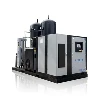
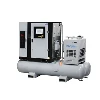
Hannimike screw air compressor,help you to reduce the power consumption.
Air compressors are crucial pieces of equipment for many industries. They are used in a variety of applications, such as powering pneumatic tools, operating machinery, and providing compressed air for industrial processes. However, air compressors can consume a significant amount of electricity, which can have a negative impact on a business’s bottom line. Fortunately, there are ways to reduce the power consumption of an air compressor. In this article, we will explore some of the most effective strategies for optimizing air compressor performance and minimizing energy waste.
1. Assess the System
The first step in reducing the power consumption of an air compressor is to assess the overall system. This involves analyzing the compressor, the air distribution system, and the demand side of the system. By evaluating these components, businesses can identify areas where energy savings are possible. For example, they may discover that the compressor is oversized and consuming more energy than necessary, or that the air distribution system is poorly designed, resulting in pressure drops and leaks.
2. Choose the Right Compressor
Selecting the right compressor is critical in minimizing power consumption. There are two main types of compressors: reciprocating and rotary screw. Reciprocating compressors are typically used for small-scale applications, while rotary screw compressors are more commonly used in larger industrial settings. Rotary screw compressors are generally more energy-efficient, as they operate at a lower RPM and have fewer moving parts, resulting in less friction and reduced power consumption.
3. Optimize the Control System
Air compressors are typically controlled by a variety of sensors and timers that regulate the pressure and flow of compressed air. By optimizing the control system, businesses can reduce energy waste and improve compressor performance. For example, installing a variable frequency drive (VFD) can adjust the speed of the compressor motor to match the demand for compressed air, which can significantly reduce power consumption during low-demand periods.
4. Reduce Air Leaks and Pressure Drops
Air leaks and pressure drops are two of the most common causes of energy waste in compressed air systems. In fact, according to the U.S. Department of Energy, air leaks alone can account for up to 20% of a compressor’s total output. By conducting regular leak detection surveys and repairing leaks promptly, businesses can reduce energy waste and lower their operating costs. Additionally, pressure drops can be minimized by optimizing the air distribution system, using appropriately sized piping, and installing pressure regulators.
5. Implement Maintenance Best Practices
Proper maintenance is essential for maintaining optimal compressor performance and minimizing energy waste. Regular maintenance tasks should include checking and replacing air filters, inspecting and tightening belts and other mechanical components, and monitoring oil levels and quality. By implementing a comprehensive maintenance program, businesses can ensure that their compressors are operating efficiently and effectively.
In conclusion, reducing the power consumption of an air compressor requires a multifaceted approach that involves careful system analysis, proper equipment selection, optimized control systems, and effective maintenance practices. By taking the time to implement these strategies, businesses can minimize energy waste, reduce their carbon footprint, and lower their operating costs, all while improving system performance and reliability.

Nov 04, 2023
Leave a message
How to Reduce the Power Consumption of an Air Compressor
Send Inquiry