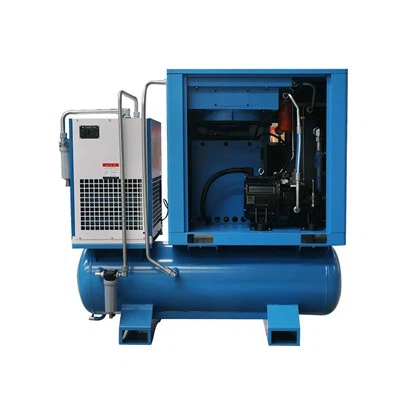
Hey there! As a supplier of adsorption dryers, I've seen firsthand how crucial these machines are in various industries. They play a vital role in ensuring that compressed air is free from moisture, which can cause all sorts of problems in equipment and processes. But like any piece of machinery, adsorption dryers need proper maintenance to keep them running smoothly and efficiently. In this blog post, I'm gonna share with you what maintenance is required for an adsorption dryer.
Regular Inspection
The first step in maintaining an adsorption dryer is regular inspection. You should visually check the dryer at least once a month. Look for any signs of leaks, damage to the pipes or fittings, and unusual noises. Leaks can not only waste compressed air but also reduce the dryer's efficiency. If you notice any leaks, it's important to fix them as soon as possible.
Check the condition of the adsorbent material. Over time, the adsorbent can become saturated with moisture and lose its effectiveness. You can usually tell if the adsorbent needs to be replaced by looking at its color and texture. If it looks dirty or clumpy, it's probably time for a change.
Filter Replacement
Filters are an essential part of an adsorption dryer. They help to remove contaminants from the compressed air before it enters the dryer. Over time, these filters can become clogged with dirt, dust, and other particles, which can reduce the dryer's performance.
It's recommended to replace the pre - filter and after - filter at least once every six months. However, if your compressed air system is operating in a particularly dirty or dusty environment, you may need to replace the filters more frequently. A clogged filter can increase the pressure drop across the dryer, which means the compressor has to work harder, using more energy and potentially causing premature wear on the equipment.
Drain Maintenance
Proper drain operation is crucial for the efficient functioning of an adsorption dryer. The drain is responsible for removing the condensed water from the dryer. If the drain is not working properly, water can accumulate in the dryer, reducing its drying capacity and potentially causing damage to the adsorbent material.
You should check the drain regularly to make sure it's working correctly. Some drains are automatic, while others require manual operation. If you have an automatic drain, make sure the sensor is clean and functioning properly. For manual drains, make sure to open them at regular intervals to release any accumulated water.
Adsorbent Replacement
As mentioned earlier, the adsorbent material in an adsorption dryer is responsible for removing moisture from the compressed air. Over time, the adsorbent becomes saturated and needs to be replaced.
The frequency of adsorbent replacement depends on several factors, such as the operating conditions, the flow rate of the compressed air, and the quality of the incoming air. In general, the adsorbent should be replaced every 2 - 3 years. However, if you notice a significant decrease in the dryer's performance or an increase in the dew point of the compressed air, it may be necessary to replace the adsorbent sooner.


Control System Check
The control system of an adsorption dryer is what regulates the drying process. It controls the switching between the adsorption and regeneration cycles, as well as the flow of compressed air and purge air.
You should check the control system regularly to make sure it's functioning properly. Look for any error messages on the control panel, and make sure all the sensors and valves are working correctly. If you're not familiar with the control system, it's a good idea to have a professional technician perform the check.
Lubrication (if applicable)
Some adsorption dryers have moving parts that require lubrication. If your dryer has such parts, make sure to follow the manufacturer's recommendations for lubrication. Using the wrong type of lubricant or over - lubricating can cause problems, so it's important to get it right.
Monitoring and Data Logging
In addition to the regular maintenance tasks, it's a good idea to monitor the performance of your adsorption dryer over time. You can use data logging devices to record parameters such as the inlet and outlet pressure, temperature, and dew point. By analyzing this data, you can detect any trends or changes in the dryer's performance, which can help you identify potential problems before they become serious.
Benefits of Proper Maintenance
Proper maintenance of an adsorption dryer offers several benefits. Firstly, it ensures that the dryer operates at its peak efficiency, which means you'll get the best possible drying performance for your compressed air. This can help to improve the quality of your products and reduce the risk of equipment damage due to moisture.
Secondly, regular maintenance can extend the lifespan of your adsorption dryer. By taking care of the machine, you can avoid costly repairs and replacements in the long run.
Finally, a well - maintained adsorption dryer is more energy - efficient. When the dryer is operating efficiently, it uses less energy, which can result in significant cost savings over time.
Our Products
We offer a range of high - quality adsorption dryers, including the Modular Adsorption Dryer and Compressed Air Modular Adsorption Dryers. These dryers are designed to provide reliable and efficient drying performance, and with proper maintenance, they can serve you well for many years.
Conclusion
Maintaining an adsorption dryer is not a difficult task, but it does require regular attention. By following the maintenance tips outlined in this blog post, you can ensure that your adsorption dryer operates at its best, providing you with clean, dry compressed air for your industrial processes.
If you're in the market for an adsorption dryer or need more information about maintenance, feel free to reach out to us. We're here to help you make the right choice and keep your compressed air system running smoothly. Don't hesitate to contact us for more details and to start a procurement discussion.
References
- Compressed Air and Gas Handbook, 7th Edition
- Manufacturer's manuals for adsorption dryers