Hey there! As a supplier of Refrigeration Compressed Air Dryers, I've been getting a lot of questions lately about the effect of oil content in compressed air on these dryers. So, I thought I'd take a few minutes to chat about it and share some insights.
First off, let's talk about why oil ends up in compressed air in the first place. In most air compressors, oil is used for lubrication, sealing, and cooling. When the air is compressed, some of this oil can get carried along with the air stream. The amount of oil can vary depending on the type of compressor, its age, and how well it's maintained.
Now, what does this oil do to a refrigeration compressed air dryer? Well, the main job of a refrigeration compressed air dryer is to remove moisture from the compressed air. It does this by cooling the air, which causes the water vapor to condense into liquid water, which can then be drained away. But the presence of oil in the compressed air can really mess with this process.
One of the biggest issues is that oil can coat the heat exchanger in the dryer. The heat exchanger is a crucial component that transfers heat from the compressed air to the refrigerant in the dryer. When oil coats the heat exchanger, it acts as an insulator. This means that the heat transfer efficiency is reduced. In other words, the dryer has to work harder to cool the air to the same temperature. This can lead to increased energy consumption, which is not only bad for your wallet but also for the environment.
Another problem is that oil can mix with the condensed water in the dryer. This can form a kind of sludge that can clog up the drain valves and other components in the dryer. When the drain valves are clogged, the condensed water can't be properly removed from the dryer. This can lead to water buildup in the dryer, which can cause corrosion and damage to the internal components. Over time, this can significantly reduce the lifespan of the dryer and increase the need for costly repairs.
Oil in the compressed air can also affect the performance of the refrigerant in the dryer. Refrigerants are used to absorb heat from the compressed air and then release it outside the dryer. However, oil can contaminate the refrigerant, reducing its ability to absorb and release heat effectively. This can lead to a decrease in the overall cooling capacity of the dryer, meaning that it may not be able to remove as much moisture from the compressed air as it's supposed to.
So, what can you do to minimize the effect of oil content in the compressed air on your refrigeration compressed air dryer? Well, the first step is to use proper pre - filtration. A good quality oil separator and pre - filter can remove a large portion of the oil from the compressed air before it enters the dryer. This can significantly reduce the amount of oil that reaches the heat exchanger and other components in the dryer.


Regular maintenance is also crucial. Make sure to change the filters in your air compressor and dryer regularly. This will help to keep the oil levels in the compressed air under control and ensure that the dryer is operating at its best. Additionally, it's important to monitor the performance of your dryer. If you notice any signs of reduced efficiency, such as increased energy consumption or poor moisture removal, it could be a sign that there's too much oil in the compressed air.
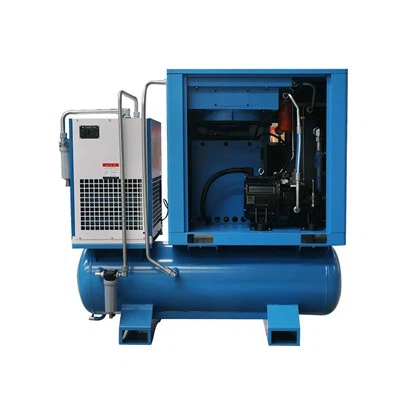
As a supplier of Refrigerated Compressed Air Dryer, I know how important it is to have a reliable and efficient dryer. That's why we offer a range of high - quality dryers that are designed to handle different levels of oil content in the compressed air. Our Industrial Air Dryer For Compressor is a great option for industrial applications where there may be higher levels of oil in the compressed air. It's built with robust components and advanced filtration systems to ensure optimal performance.
If you're using a screw air compressor, our Air Dryer for Screw Air Compressor is specifically designed to work with these types of compressors. It can effectively remove moisture and handle the oil that may be present in the compressed air from screw compressors.
In conclusion, the oil content in compressed air can have a significant impact on the performance and lifespan of a refrigeration compressed air dryer. By taking the right steps to minimize the oil content and ensuring proper maintenance, you can keep your dryer running smoothly and efficiently.
If you're in the market for a new refrigeration compressed air dryer or need advice on how to deal with oil in your compressed air, don't hesitate to reach out. We're here to help you find the best solution for your needs.
References
- Compressed Air and Gas Handbook, Fourth Edition by Thomas F. Flynn
- Air Compressor Technology Handbook by Heinz P. Bloch and Fred K. Geitner