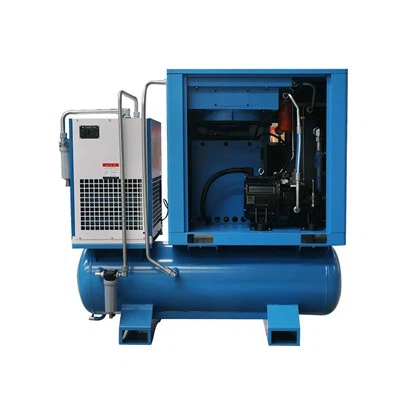
As a supplier of Compressed Air Modular Adsorption Dryers, I often get asked about the cooling requirements for these machines. It's a crucial topic because proper cooling is essential for the efficient and reliable operation of these dryers. Let's dive into what exactly the cooling requirements are and why they matter.
Understanding Compressed Air Modular Adsorption Dryers
First off, let's quickly cover what Compressed Air Modular Adsorption Dryers are. These dryers play a vital role in industrial settings by removing moisture from compressed air. Compressed air is used in a ton of applications, like in manufacturing processes, pneumatic tools, and even in food and beverage production. And moisture in the compressed air can lead to all sorts of problems, such as corrosion in pipes, malfunction of pneumatic equipment, and quality issues in products.
The Modular Adsorption Dryer works on the principle of adsorption. It uses adsorbent materials, usually activated alumina or molecular sieves, to attract and hold water vapor from the compressed air. This process is highly efficient in reducing the dew point of the compressed air, ensuring that it meets the required dryness level for different applications.
Why Cooling is Necessary
Now, let's talk about why cooling is so important. During the adsorption process, heat is generated. This is because the adsorbent materials release heat when they adsorb water vapor. If this heat isn't removed, it can have several negative impacts on the dryer's performance.
One major issue is that high temperatures can reduce the adsorption capacity of the adsorbent. When the adsorbent gets too hot, it becomes less effective at holding onto water vapor. This means that the dryer won't be able to achieve the desired low dew point, leading to wetter compressed air. And as I mentioned earlier, wet compressed air can cause a whole host of problems in industrial applications.
Another problem is that excessive heat can damage the adsorbent materials over time. High temperatures can cause the adsorbent to break down or lose its structural integrity, reducing its lifespan and increasing the need for frequent replacements. This can be a costly and time-consuming process for businesses.
Cooling Requirements
So, what are the specific cooling requirements for Compressed Air Modular Adsorption Dryers? Well, it varies depending on several factors, including the size of the dryer, the flow rate of the compressed air, and the inlet air temperature.
Inlet Air Temperature
The temperature of the compressed air entering the dryer is a crucial factor. Generally, the dryer works best when the inlet air temperature is within a certain range. Most manufacturers recommend an inlet air temperature between 35°C and 45°C. If the inlet air is too hot, it will require more cooling to bring it down to an optimal temperature for the adsorption process. This means that the cooling system will have to work harder, which can increase energy consumption and potentially lead to higher operating costs.
On the other hand, if the inlet air temperature is too low, it can cause problems with the adsorption process. The adsorbent may not function as efficiently at very low temperatures, and there may be a risk of ice formation in the dryer, which can damage the equipment.
Cooling Methods
There are two main types of cooling methods used in Compressed Air Modular Adsorption Dryers: air-cooled and water-cooled.
Air-Cooled Dryers


Air-cooled dryers are relatively simple and cost-effective. They use ambient air to cool the compressed air and the dryer components. The hot compressed air is passed through a heat exchanger, where it transfers heat to the ambient air. The advantage of air-cooled dryers is that they don't require a constant supply of water, which makes them suitable for locations where water is scarce or expensive.
However, air-cooled dryers have some limitations. Their cooling efficiency depends on the ambient air temperature. If the ambient air is hot, the cooling capacity of the dryer will be reduced. This means that they may not be suitable for very hot climates or applications where the inlet air temperature is consistently high.
Water-Cooled Dryers
Water-cooled dryers, as the name suggests, use water to cool the compressed air and the dryer components. The hot compressed air is passed through a water-cooled heat exchanger, where it transfers heat to the water. The water is then circulated through a cooling tower or a chiller to remove the heat.
Water-cooled dryers are generally more efficient than air-cooled dryers, especially in hot climates or applications with high inlet air temperatures. They can maintain a more consistent cooling performance, regardless of the ambient air temperature. However, they do require a constant supply of water and a more complex cooling system. This means that they can be more expensive to install and operate, and they also have a higher risk of water leakage and corrosion.
Cooling Capacity
The cooling capacity of a Compressed Air Modular Adsorption Dryer is usually measured in kilowatts (kW) or British thermal units per hour (BTU/h). The required cooling capacity depends on the heat load generated by the dryer, which is determined by the flow rate of the compressed air, the inlet air temperature, and the adsorption process.
Manufacturers typically provide guidelines on the recommended cooling capacity for their dryers based on the specific model and application. It's important to choose a dryer with a cooling capacity that matches your requirements. If the cooling capacity is too low, the dryer won't be able to remove enough heat, which can lead to poor performance and equipment damage. On the other hand, if the cooling capacity is too high, it will result in unnecessary energy consumption and increased operating costs.
Meeting the Cooling Requirements
To ensure that your Compressed Air Modular Adsorption Dryer meets the cooling requirements, it's important to follow the manufacturer's recommendations. This includes installing the dryer in a location with proper ventilation if it's an air-cooled dryer, or ensuring a reliable supply of water and maintaining the cooling system if it's a water-cooled dryer.
Regular maintenance is also crucial. This includes cleaning the heat exchangers, checking the coolant levels, and inspecting the cooling system for any signs of leaks or damage. By keeping the cooling system in good condition, you can ensure that the dryer operates efficiently and reliably, and you can avoid costly breakdowns and repairs.
Conclusion
In conclusion, the cooling requirements for Compressed Air Modular Adsorption Dryers are essential for their proper functioning. Understanding these requirements and ensuring that they are met can help you achieve optimal performance, extend the lifespan of your dryer, and reduce operating costs.
If you're in the market for a Compressed Air Modular Adsorption Dryer or need to upgrade your existing system, feel free to get in touch with us. We're here to help you choose the right dryer and ensure that it meets your specific cooling requirements. Our team of experts can provide you with detailed information and advice to help you make an informed decision.
References
- Compressed Air and Gas Handbook, 6th Edition
- Industrial Drying Handbook, 3rd Edition