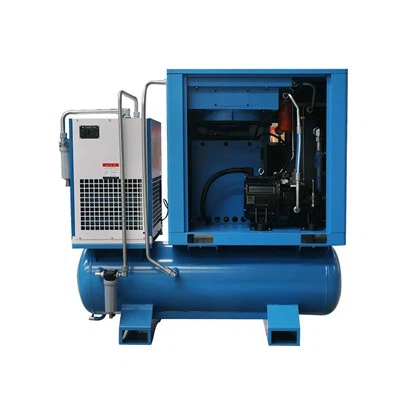
Hey there! As a supplier of Laser Cutting Screw Air Compressors, I've often gotten questions about how to deal with the noise these machines make. In this blog, I'm gonna share some effective sound - insulation measures for these compressors.
First off, let's understand why sound insulation is important. Laser cutting screw air compressors can be pretty noisy when they're running. The noise not only creates an unpleasant working environment but can also cause long - term hearing problems for the workers. Moreover, in some industrial areas, there are strict noise regulations. If your compressor is too loud, you might face some fines or other legal issues. So, sound insulation is a must - do thing.
1. Enclosure Design
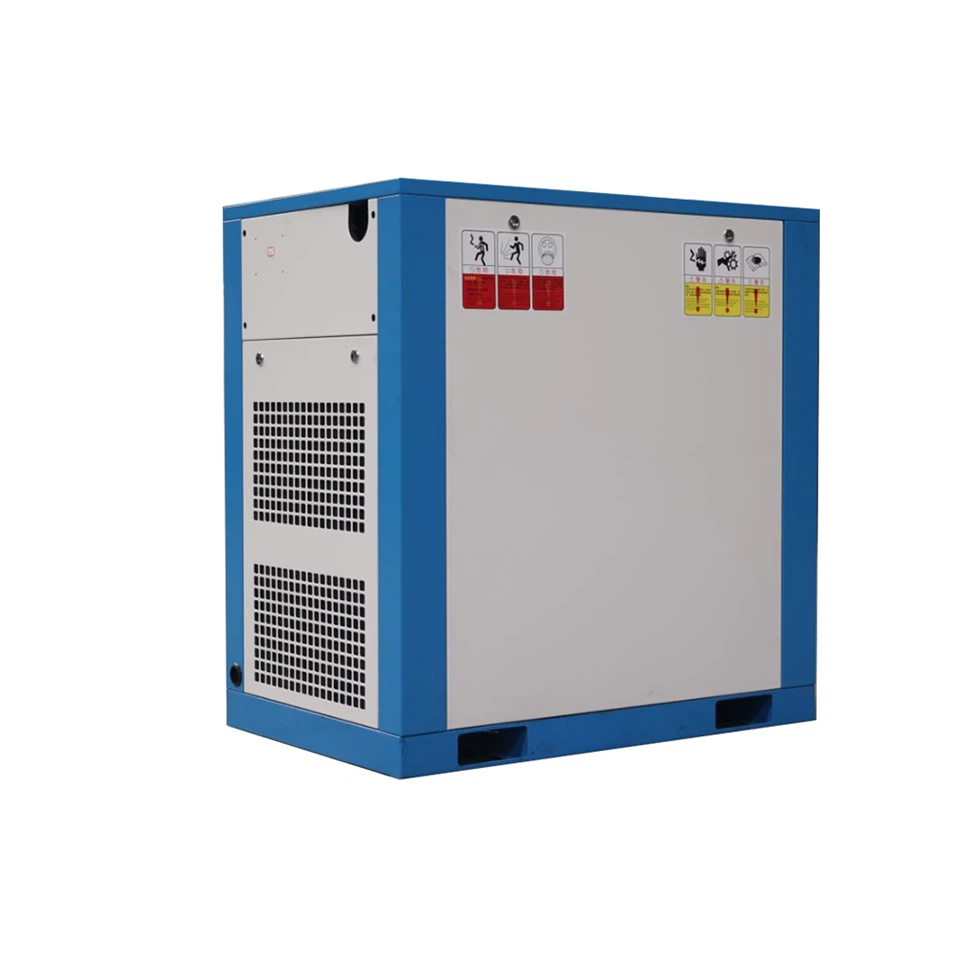
One of the most common and effective ways to insulate sound is by using an enclosure. An enclosure acts as a physical barrier between the compressor and the surrounding environment. When designing an enclosure for a laser cutting screw air compressor, there are a few key points to keep in mind.
- Material Selection: You should choose materials with good sound - absorbing properties. For example, acoustic foams are great. They can absorb a large amount of sound energy. Fiberglass insulation is also a popular choice. It's not only good at reducing noise but also has good heat - resistant properties, which is important because compressors generate a lot of heat during operation.
- Sealing: A well - sealed enclosure is crucial. Any gaps or holes can let the sound escape. Make sure all the joints and seams are properly sealed with gaskets or sealants. This will prevent the sound from leaking out through the small openings.
- Ventilation: While you want to keep the noise in, you also need to ensure proper ventilation. Compressors generate heat, and if the heat isn't dissipated properly, it can damage the machine. So, design the enclosure with ventilation openings that are equipped with sound - absorbing baffles. These baffles will allow air to flow in and out while reducing the amount of noise that escapes.
If you're looking for a reliable laser cutting screw air compressor, you can check out our Professional Laser Cutting Screw Air Compressor. It's designed with high - quality components and can work efficiently in various industrial settings.
2. Vibration Isolation
Vibration is another major source of noise in laser cutting screw air compressors. When the compressor vibrates, it transfers the vibration to the surrounding structures, which then radiate sound. To reduce this type of noise, you need to isolate the compressor from its mounting surface.
- Anti - Vibration Mounts: These are rubber or spring - based mounts that are placed between the compressor and the floor or the mounting platform. They absorb the vibration energy and prevent it from being transferred to the surrounding structures. Make sure to choose the right type and size of anti - vibration mounts according to the weight and vibration characteristics of your compressor.
- Flexible Connectors: Use flexible connectors for the intake and exhaust pipes. These connectors can absorb the vibration from the compressor and prevent it from being transmitted through the pipes. They also allow for some movement of the pipes, which can reduce stress on the compressor and the piping system.
Our 15kw 16bar Screw Air Compressor For 1500w Laser Cutting is a great option if you need a compressor with specific power and pressure requirements. It's also designed with features to reduce vibration and noise.

3. Location and Layout
The location and layout of the compressor can also have a significant impact on the noise level.
- Isolated Room: If possible, place the compressor in an isolated room. This room can be designed with sound - absorbing materials on the walls, ceiling, and floor. It acts as an additional layer of sound insulation. Make sure the room has proper ventilation to prevent the build - up of heat and humidity.
- Distance from Work Areas: Keep the compressor as far away from the work areas as possible. The further the distance, the more the sound will dissipate. Also, consider the direction of the noise propagation. Try to place the compressor in a way that the noise is directed towards areas where there are fewer people.
4. Maintenance
Regular maintenance is essential for keeping the noise level of the compressor under control.
- Lubrication: Make sure all the moving parts of the compressor are properly lubricated. Lack of lubrication can cause increased friction, which leads to more noise and wear and tear. Check the lubricant level regularly and change it according to the manufacturer's recommendations.
- Tightening Loose Parts: Over time, the parts of the compressor can become loose. This can cause rattling and other noises. Periodically check all the bolts, nuts, and other fasteners and tighten them if necessary.
Our Rotary Variable Frequency Energy - saving Screw Air Compressor is designed with advanced technology to save energy and reduce noise. It's also easy to maintain, which can save you a lot of time and money in the long run.
Conclusion
In conclusion, there are several effective sound - insulation measures for laser cutting screw air compressors. By using enclosure design, vibration isolation, proper location and layout, and regular maintenance, you can significantly reduce the noise level of your compressor. This not only creates a better working environment but also helps you comply with the noise regulations.
If you're interested in our laser cutting screw air compressors or have any questions about sound insulation, feel free to contact us for procurement and further discussions. We're always here to help you find the best solutions for your industrial needs.
References
- Industrial Noise Control Handbook
- Manufacturer's Manuals for Laser Cutting Screw Air Compressors