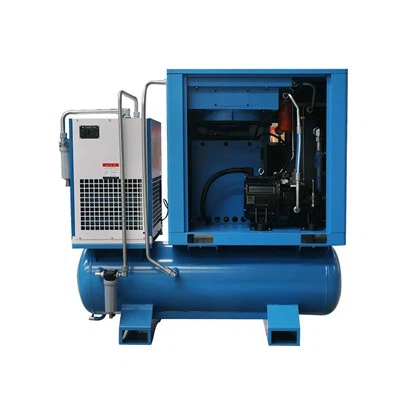
Hey there! As a supplier of Refrigeration Compressed Air Dryers, I've been getting a lot of questions lately about the power supply requirements for these machines. So, I thought I'd put together this blog post to share some insights and clear up any confusion.
First off, let's talk about why the power supply is so important for a refrigeration compressed air dryer. These dryers work by cooling the compressed air to remove moisture. This cooling process is powered by an electric motor that drives the compressor and the fan. If the power supply isn't up to par, the dryer won't work efficiently, and you might end up with wet or contaminated compressed air.
Voltage Requirements
The most basic requirement for the power supply of a refrigeration compressed air dryer is the right voltage. Different models of dryers are designed to work with different voltages, typically ranging from 110V to 480V. It's crucial to check the voltage rating of your dryer before connecting it to a power source. Using the wrong voltage can damage the dryer's electrical components and void the warranty.
For example, if you have a dryer that's rated for 220V and you connect it to a 110V power supply, the motor won't be able to generate enough power to run the compressor and the fan properly. This can lead to reduced cooling capacity and increased energy consumption. On the other hand, if you connect a 110V dryer to a 220V power supply, it can cause the electrical components to overheat and burn out.
Phase Requirements
In addition to voltage, the power supply also needs to have the right number of phases. Most industrial refrigeration compressed air dryers are designed to work with three-phase power, while smaller models may work with single-phase power. Three-phase power is more efficient and provides a more stable power supply, which is important for the smooth operation of the dryer.
If you're not sure whether your power supply is single-phase or three-phase, you can consult an electrician. They can help you determine the phase of your power supply and make any necessary adjustments to ensure that your dryer is compatible.
Amperage Requirements
Another important factor to consider is the amperage of the power supply. The amperage rating of a dryer indicates the amount of current that the dryer will draw from the power supply. It's important to make sure that the power supply can provide enough amperage to meet the dryer's requirements.
If the power supply doesn't have enough amperage, the dryer may not start or may run intermittently. This can cause the compressor to overheat and damage the dryer's electrical components. On the other hand, if the power supply has too much amperage, it can cause the electrical wiring to overheat and pose a fire hazard.
Power Quality
In addition to voltage, phase, and amperage, the quality of the power supply is also important. A stable and clean power supply is essential for the proper operation of the dryer. Power surges, voltage fluctuations, and electrical noise can all damage the dryer's electrical components and reduce its lifespan.
To protect your dryer from power quality issues, you can use a surge protector or a voltage regulator. These devices can help to stabilize the voltage and protect the dryer from power surges and electrical noise.
Energy Efficiency
When choosing a power supply for your refrigeration compressed air dryer, it's also important to consider energy efficiency. An energy-efficient power supply can help to reduce your energy costs and minimize your environmental impact.
Look for dryers that are designed to be energy-efficient, such as those with variable speed drives or energy-saving modes. These features can help to reduce the dryer's energy consumption by adjusting the compressor and fan speed based on the demand for compressed air.
Compatibility with Other Equipment
Finally, it's important to make sure that the power supply is compatible with other equipment in your compressed air system. For example, if you have a screw air compressor, you'll need to make sure that the power supply can provide enough power to run both the compressor and the dryer.
You can also consider using a combined power supply that can power both the compressor and the dryer. This can help to simplify your electrical system and reduce the risk of compatibility issues.
In conclusion, the power supply requirements for a refrigeration compressed air dryer are crucial for its proper operation and longevity. Make sure to check the voltage, phase, amperage, power quality, energy efficiency, and compatibility with other equipment before connecting your dryer to a power source.
If you're in the market for a new refrigeration compressed air dryer, I recommend checking out our Air Dryer for Screw Air Compressor, Refrigerated Compressed Air Dryer, and Energy Efficient Compressed Air Dryers. These dryers are designed to meet the highest standards of quality and performance, and they come with a range of features to help you save energy and reduce your operating costs.


If you have any questions or need more information about our products, please don't hesitate to contact us. We'd be happy to help you find the right dryer for your needs and provide you with a free quote. Let's start a conversation and see how we can work together to improve your compressed air system.
References
- Compressed Air and Gas Institute (CAGI). (n.d.). Compressed Air Dryer Standards.
- ASHRAE Handbook. (2017). HVAC Systems and Equipment.