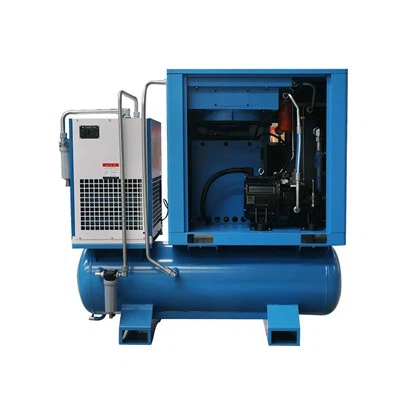
As a supplier of Modular Adsorption Dryers, I've witnessed firsthand the widespread adoption of these devices across various industries. These dryers play a crucial role in ensuring the quality of compressed air by removing moisture, which is essential for the efficient operation of pneumatic tools and equipment. However, it's equally important to understand the environmental impacts associated with their use. This blog post aims to explore these impacts comprehensively, shedding light on both the positive and negative aspects.


Positive Environmental Impacts
Energy Efficiency
One of the most significant environmental benefits of using a Modular Adsorption Dryer is its potential for energy efficiency. Modern modular adsorption dryers are designed with advanced technology that allows for precise control of the drying process. This means that they can adjust their operation based on the actual demand for dry air, reducing energy consumption compared to traditional drying methods.
For example, some modular adsorption dryers are equipped with variable speed drives (VSD). These drives can adjust the speed of the compressor motor according to the air demand, ensuring that the dryer only uses as much energy as necessary. This not only reduces electricity consumption but also lowers greenhouse gas emissions associated with power generation.
Reduced Waste Generation
Another positive aspect is the reduced waste generation. Modular adsorption dryers typically use desiccants to remove moisture from the compressed air. These desiccants can be regenerated and reused multiple times, minimizing the amount of waste sent to landfills. In contrast, some other drying methods may require the disposal of moisture-laden materials, which can contribute to environmental pollution.
Moreover, the modular design of these dryers allows for easy maintenance and replacement of components. This means that instead of discarding the entire dryer when a part fails, only the faulty component needs to be replaced. This not only extends the lifespan of the dryer but also reduces the amount of electronic waste generated.
Improved Process Efficiency
By providing high-quality dry air, modular adsorption dryers can improve the efficiency of industrial processes. Dry air is essential for many manufacturing operations, such as painting, coating, and electronics assembly. Moisture in the compressed air can cause defects in these processes, leading to product rejections and increased waste.
With a reliable Compressed Air Modular Adsorption Dryers, manufacturers can ensure consistent product quality, reduce scrap rates, and optimize their production processes. This, in turn, leads to less energy and resource consumption per unit of output, resulting in a lower environmental footprint.
Negative Environmental Impacts
Energy Consumption
While modular adsorption dryers can be energy-efficient, they still consume a significant amount of electricity. The regeneration process, in particular, requires a considerable amount of energy to heat the desiccant and remove the adsorbed moisture. If the electricity used to power these dryers is generated from fossil fuels, it can contribute to greenhouse gas emissions and air pollution.
To mitigate this impact, it's important to consider the energy source when using modular adsorption dryers. Switching to renewable energy sources, such as solar or wind power, can significantly reduce the environmental footprint of these devices. Additionally, implementing energy management strategies, such as optimizing the dryer's operation and using energy-efficient components, can further reduce energy consumption.
Desiccant Disposal
Although desiccants can be regenerated and reused, there comes a time when they need to be replaced. The disposal of used desiccants can pose an environmental challenge, especially if they contain hazardous materials. Some desiccants may contain chemicals that can leach into the soil and water, causing pollution.
To address this issue, it's crucial to choose desiccants that are environmentally friendly and easy to dispose of. Some manufacturers offer desiccants that are made from natural materials or can be recycled. Additionally, proper disposal methods should be followed to ensure that the used desiccants do not harm the environment.
Noise Pollution
Modular adsorption dryers can generate significant noise during operation, especially if they are not properly installed or maintained. Noise pollution can have a negative impact on the health and well-being of workers and nearby residents. It can cause hearing loss, stress, and sleep disturbances.
To minimize noise pollution, it's important to choose dryers that are designed with noise reduction features. Additionally, proper installation and maintenance, such as using vibration isolation mounts and ensuring that the dryer is properly lubricated, can help reduce noise levels.
Strategies for Minimizing Environmental Impacts
Energy Management
As mentioned earlier, energy management is crucial for reducing the environmental impact of modular adsorption dryers. This can include implementing energy-efficient practices, such as optimizing the dryer's operation, using energy-efficient components, and switching to renewable energy sources.
For example, installing a programmable logic controller (PLC) can allow for precise control of the dryer's operation, ensuring that it only runs when necessary. Additionally, using high-efficiency motors and fans can reduce energy consumption. Switching to renewable energy sources, such as solar panels or wind turbines, can also significantly reduce the carbon footprint of the dryer.
Desiccant Selection and Management
Proper desiccant selection and management are also important. Choosing desiccants that are environmentally friendly and easy to dispose of can minimize the environmental impact of the dryer. Additionally, implementing a desiccant regeneration and replacement schedule can ensure that the desiccant is used efficiently and replaced at the appropriate time.
Some manufacturers offer desiccant recycling programs, which can further reduce the environmental impact of desiccant disposal. By participating in these programs, users can ensure that the used desiccants are properly recycled and reused.
Noise Reduction
To minimize noise pollution, it's important to choose dryers that are designed with noise reduction features. Additionally, proper installation and maintenance can help reduce noise levels. For example, using vibration isolation mounts can prevent the dryer from vibrating and generating noise. Ensuring that the dryer is properly lubricated can also reduce friction and noise.
Conclusion
In conclusion, modular adsorption dryers offer several environmental benefits, such as energy efficiency, reduced waste generation, and improved process efficiency. However, they also have some negative environmental impacts, such as energy consumption, desiccant disposal, and noise pollution. By implementing strategies to minimize these impacts, such as energy management, desiccant selection and management, and noise reduction, users can ensure that the use of modular adsorption dryers is as environmentally friendly as possible.
As a supplier of Modular Adsorption Dryer, I'm committed to providing our customers with high-quality, energy-efficient dryers that have a minimal environmental impact. If you're interested in learning more about our products or have any questions about the environmental impacts of using modular adsorption dryers, please don't hesitate to contact us. We're here to help you make an informed decision and choose the right dryer for your needs.
References
- "Compressed Air Systems: Energy Efficiency and Best Practices." U.S. Department of Energy.
- "Environmental Impact of Industrial Dryers." Journal of Environmental Management.
- "Modular Adsorption Dryer Technology and Applications." International Journal of Pneumatic Engineering.