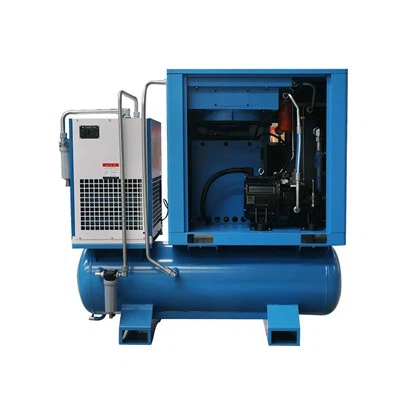
As a supplier of Laser Cutting Screw Air Compressors, I am often asked about the environmental impacts of these machines. In this blog post, I will delve into the various environmental aspects associated with laser cutting screw air compressors, exploring both the negative and positive impacts they can have.
Energy Consumption and Greenhouse Gas Emissions
One of the most significant environmental impacts of laser cutting screw air compressors is their energy consumption. These machines typically require a substantial amount of electricity to operate, which can contribute to greenhouse gas emissions if the electricity is generated from fossil fuels. The energy consumption of an air compressor depends on several factors, including its size, efficiency, and the load it is operating under.
Larger compressors generally consume more energy than smaller ones. For example, a high - capacity laser cutting screw air compressor used in an industrial setting may have a much higher power rating compared to a smaller unit used in a small - scale workshop. The efficiency of the compressor also plays a crucial role. Older models or those with poor design may waste a significant amount of energy through heat loss, mechanical inefficiencies, or improper control systems.
However, advancements in technology have led to the development of more energy - efficient laser cutting screw air compressors. Energy - saving laser cutting screw air compressor models are now available in the market. These compressors are designed with features such as variable speed drives (VSD), which allow the compressor to adjust its speed according to the actual air demand. By reducing the motor speed when less air is needed, VSD compressors can significantly lower energy consumption and, consequently, greenhouse gas emissions.
Noise Pollution
Laser cutting screw air compressors can also be a source of noise pollution. The mechanical operation of the compressor, including the movement of pistons, rotors, and fans, generates noise. High - pitched whistles and low - frequency rumbles can be heard during the operation of these machines, which can be a nuisance to workers in the vicinity and nearby residents if the compressor is located near a residential area.
Excessive noise can have several negative effects on human health, including hearing loss, stress, and sleep disturbances. To mitigate the impact of noise pollution, manufacturers are now designing compressors with better noise - reduction features. These may include sound - insulated enclosures, vibration - dampening mounts, and improved fan designs. Additionally, proper installation and maintenance of the compressor can also help reduce noise levels. For example, ensuring that the compressor is placed on a stable surface and that all components are properly tightened can minimize vibration - related noise.
Oil and Lubricant Usage
Many laser cutting screw air compressors use oil or lubricants to reduce friction between moving parts, cool the compressor, and seal the compression chamber. The use of these oils and lubricants can have environmental implications. If not properly managed, oil leaks can contaminate soil and water sources. Additionally, the disposal of used oil and lubricants must be carried out in an environmentally friendly manner to prevent pollution.
Some modern laser cutting screw air compressors are designed to be oil - free. These oil - free compressors eliminate the need for oil lubrication, reducing the risk of oil pollution. They are also suitable for applications where oil contamination of the compressed air is not acceptable, such as in the food and beverage industry or medical applications.
Waste Generation
During the operation and maintenance of laser cutting screw air compressors, waste is generated. This can include filter cartridges, gaskets, and other replacement parts. These waste materials need to be properly disposed of to prevent environmental pollution. Some of these components may be recyclable, while others may need to be disposed of in a landfill.
Manufacturers are increasingly focusing on designing compressors with longer - lasting components and more easily recyclable parts. By reducing the frequency of component replacement and making it easier to recycle these parts, the environmental impact of waste generation can be minimized.
Positive Environmental Impacts
Despite the potential negative environmental impacts, laser cutting screw air compressors also have some positive aspects. In the context of laser cutting, these compressors are essential for providing a clean and dry source of compressed air. Compressed air is used to assist in the laser cutting process, helping to remove molten material from the cutting area and preventing oxidation.
Compared to some other cutting methods, laser cutting is generally more precise and produces less waste material. This means that less raw material is wasted during the manufacturing process, which can be considered an environmental benefit. Additionally, the energy - efficient models of laser cutting screw air compressors can contribute to overall energy savings in the manufacturing industry, which is beneficial for the environment.
The Role of Suppliers
As a supplier of laser cutting screw air compressors, I have a responsibility to promote the use of environmentally friendly products. We offer a range of 15kw Screw Air Compressor For Laser Cutting and 15kw Screw Air Compressor China models that are designed with energy efficiency and environmental protection in mind.


We also provide our customers with information on proper installation, operation, and maintenance of the compressors to ensure that they are used in the most environmentally friendly way possible. This includes advice on energy - saving settings, noise - reduction measures, and proper waste disposal.
Conclusion
Laser cutting screw air compressors have both positive and negative environmental impacts. While they can contribute to energy consumption, noise pollution, oil pollution, and waste generation, advancements in technology are helping to mitigate these effects. Energy - efficient models, noise - reduction features, oil - free designs, and better waste management practices are all steps in the right direction.
If you are in the market for a laser cutting screw air compressor, I encourage you to consider the environmental aspects of your purchase. Look for energy - efficient models, those with low - noise levels, and features that reduce waste generation. By making an informed choice, you can not only contribute to environmental protection but also potentially save on energy costs in the long run.
If you have any questions about our range of laser cutting screw air compressors or would like to discuss your specific requirements, please feel free to contact us for a procurement consultation. We are committed to providing you with the best products and solutions for your laser cutting needs.
References
- "Compressed Air System Energy Efficiency Guide" by the U.S. Department of Energy.
- "Noise Pollution and Its Effects on Human Health" by the World Health Organization.
- Industry reports on laser cutting and air compressor technology advancements.