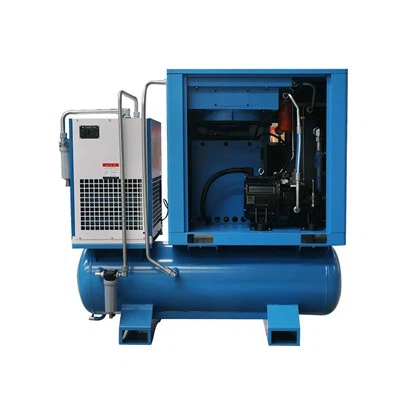
Selecting the appropriate piping for an air dryer for a screw air compressor is a crucial decision that can significantly impact the performance, efficiency, and longevity of your compressed air system. As a trusted supplier of Air Dryer For Screw Air Compressor, I understand the importance of making the right choices when it comes to piping. In this blog post, I will share some valuable insights and guidelines to help you select the most suitable piping for your air dryer.


Understanding the Basics of Compressed Air Piping
Before delving into the selection process, it's essential to have a basic understanding of compressed air piping. Compressed air piping is responsible for transporting compressed air from the compressor to the air dryer and then to the various end - use applications. The quality and design of the piping system can affect the pressure, flow rate, and moisture content of the compressed air.
Factors to Consider When Selecting Piping
1. Material
- Steel Piping: Steel is a popular choice for compressed air piping due to its strength and durability. It can withstand high pressures and is resistant to mechanical damage. However, steel is prone to corrosion, especially in the presence of moisture. To mitigate this issue, galvanized or stainless - steel pipes can be used. Galvanized steel has a zinc coating that provides a protective layer against corrosion, while stainless steel is highly resistant to rust and oxidation.
- Copper Piping: Copper is another excellent option for compressed air piping. It is corrosion - resistant, has good thermal conductivity, and is relatively easy to install. Copper pipes are also smooth on the inside, which helps to reduce pressure drop and improve the flow of compressed air. However, copper can be more expensive than steel, and it may require special tools for installation.
- Plastic Piping: Plastic pipes, such as polyethylene (PE) and polyvinyl chloride (PVC), are becoming increasingly popular for compressed air systems. They are lightweight, easy to install, and resistant to corrosion. Plastic pipes are also relatively inexpensive compared to steel and copper. However, they have limitations in terms of pressure and temperature ratings. Some plastic pipes may not be suitable for high - pressure applications or environments with extreme temperatures.
2. Pipe Size
The size of the piping is a critical factor in determining the efficiency of the compressed air system. An undersized pipe can cause excessive pressure drop, which leads to increased energy consumption and reduced performance of the air dryer and other components. On the other hand, an oversized pipe can be wasteful and may increase the initial cost of the system.
To determine the appropriate pipe size, you need to consider the flow rate of the compressed air, the length of the piping, and the allowable pressure drop. The flow rate is typically measured in cubic feet per minute (CFM) or liters per minute (LPM). The length of the piping includes the total length of all the pipes, fittings, and valves in the system. The allowable pressure drop is usually specified by the manufacturer of the air dryer and other equipment.
3. Pressure Rating
The pressure rating of the piping must be sufficient to handle the maximum operating pressure of the compressed air system. The operating pressure of a screw air compressor can vary depending on the application, but it typically ranges from 80 to 125 pounds per square inch (psi) or 5.5 to 8.6 bar. You should select pipes with a pressure rating that is higher than the maximum operating pressure of the system to ensure safety and reliability.
4. Temperature Rating
The temperature of the compressed air can also affect the performance of the piping. In general, the temperature of the compressed air leaving the screw air compressor is relatively high, and it needs to be cooled down before entering the air dryer. The piping should be able to withstand the temperature variations without losing its structural integrity. For example, if the compressed air is hot, you may need to use pipes with a high - temperature rating, such as stainless steel or certain types of plastic pipes that are designed for high - temperature applications.
5. Moisture Management
Moisture is a common problem in compressed air systems, and it can cause corrosion, damage to equipment, and affect the quality of the compressed air. The piping system should be designed to minimize the accumulation of moisture. This can be achieved by installing proper drainage points, using moisture separators, and ensuring that the pipes are sloped to allow water to drain easily. Additionally, the air dryer plays a crucial role in removing moisture from the compressed air. A Refrigeration Compressed Air Dryer is a popular choice for removing moisture from compressed air by cooling it down and condensing the water vapor.
6. Fittings and Valves
The quality of the fittings and valves used in the piping system is just as important as the pipes themselves. Fittings, such as elbows, tees, and couplings, are used to connect the pipes and change the direction of the compressed air flow. Valves, such as ball valves, gate valves, and check valves, are used to control the flow and pressure of the compressed air.
When selecting fittings and valves, make sure they are compatible with the type of pipe material and have the appropriate pressure and temperature ratings. Leaky fittings and valves can cause pressure drop and waste energy, so it's important to choose high - quality components that are properly installed.
Installation Considerations
Proper installation of the piping system is essential for its optimal performance. Here are some installation tips to keep in mind:
- Proper Support: Pipes should be properly supported to prevent sagging and vibration. Supports should be spaced at regular intervals, depending on the pipe size and material.
- Avoid Sharp Bends: Sharp bends in the piping can cause excessive pressure drop and turbulence. Use elbows with a large radius to minimize these effects.
- Airflow Direction: The piping should be installed in a way that promotes smooth airflow. Avoid creating dead - ends or areas where the compressed air can stagnate.
- Sealing: All joints and connections should be properly sealed to prevent air leakage. Use appropriate sealing materials, such as Teflon tape or pipe sealant, depending on the type of fitting.
Maintenance and Inspection
Regular maintenance and inspection of the piping system are necessary to ensure its long - term performance. Here are some maintenance tasks to consider:
- Check for Leaks: Periodically check the pipes, fittings, and valves for air leaks. Leaks can be detected using a soap - and - water solution or a leak detector.
- Clean the Pipes: Over time, dirt, debris, and oil can accumulate inside the pipes, which can affect the flow of compressed air. Clean the pipes regularly to remove these contaminants.
- Inspect for Corrosion: Check the pipes for signs of corrosion, especially in areas where moisture is present. If corrosion is detected, take appropriate measures to repair or replace the affected pipes.
Conclusion
Selecting the appropriate piping for an air dryer for a screw air compressor is a complex decision that requires careful consideration of various factors, including material, pipe size, pressure rating, temperature rating, moisture management, and installation. By following the guidelines outlined in this blog post, you can ensure that your compressed air system operates efficiently and reliably.
As a supplier of Air Dryer For Screw Air Compressor and Industrial Air Dryer For Compressor, I am committed to providing high - quality products and expert advice to help you make the best choices for your compressed air system. If you have any questions or need assistance with selecting the right piping for your air dryer, please do not hesitate to contact me. We can discuss your specific requirements and provide you with a customized solution that meets your needs.
References
- Compressed Air and Gas Institute (CAGI). "Compressed Air System Design and Installation Guide."
- ASME B31.11 - 2019, "Slurry Transportation Piping Systems." (Although not directly related to compressed air, it provides general principles for piping design.)
- Manufacturer's manuals for air dryers and screw air compressors.