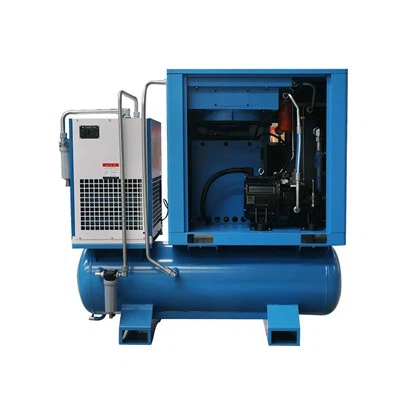
Ensuring proper ventilation is crucial for the efficient and reliable operation of an adsorption dryer. As a leading adsorption dryer supplier, I understand the significance of ventilation in maintaining the performance and longevity of these essential pieces of equipment. In this blog post, I will share some key insights and best practices on how to ensure the proper ventilation of an adsorption dryer.


Understanding the Importance of Ventilation
Before delving into the specific methods of ensuring proper ventilation, it's important to understand why ventilation is so critical for adsorption dryers. Adsorption dryers work by removing moisture from compressed air using adsorbent materials such as silica gel or activated alumina. During the adsorption process, heat is generated as the adsorbent material captures water vapor from the compressed air. Without proper ventilation, this heat can build up inside the dryer, leading to a range of issues.
One of the primary problems associated with inadequate ventilation is a decrease in the dryer's efficiency. As the temperature inside the dryer rises, the adsorbent material becomes less effective at removing moisture from the compressed air. This can result in higher dew points and reduced air quality, which can have a negative impact on downstream processes and equipment.
In addition to reduced efficiency, overheating can also cause damage to the dryer's components. High temperatures can degrade the adsorbent material, shorten its lifespan, and increase the risk of premature failure. They can also cause damage to other parts of the dryer, such as valves, sensors, and electrical components, leading to costly repairs and downtime.
Proper ventilation helps to dissipate the heat generated during the adsorption process, keeping the dryer operating at an optimal temperature. This not only improves the dryer's efficiency and performance but also extends its lifespan and reduces the risk of costly repairs and downtime.
Factors Affecting Ventilation
Several factors can affect the ventilation of an adsorption dryer. Understanding these factors is essential for ensuring that the dryer is properly ventilated.
Location
The location of the adsorption dryer plays a significant role in its ventilation. The dryer should be installed in a well-ventilated area with plenty of space around it. Avoid installing the dryer in a confined space or near sources of heat, such as boilers or furnaces, as this can impede the flow of air and cause the dryer to overheat.
Airflow
Adequate airflow is essential for proper ventilation. The dryer should be installed in an area where there is a natural flow of air, such as near an open window or door. If the dryer is installed in an enclosed space, mechanical ventilation may be required to ensure sufficient airflow.
Ventilation Ducts
If ventilation ducts are used, they should be properly sized and installed to ensure efficient airflow. The ducts should be straight and free of obstructions, and they should be connected to the dryer using airtight fittings.
Ambient Temperature
The ambient temperature can also affect the ventilation of the adsorption dryer. In hot environments, the dryer may require additional ventilation to dissipate the heat generated during the adsorption process. Conversely, in cold environments, the dryer may need to be insulated to prevent the adsorbent material from freezing.
Best Practices for Ensuring Proper Ventilation
Based on my experience as an adsorption dryer supplier, I have identified several best practices for ensuring the proper ventilation of an adsorption dryer.
Choose the Right Location
As mentioned earlier, the location of the adsorption dryer is crucial for its ventilation. When selecting a location for the dryer, consider the following factors:
- Space: Ensure that there is enough space around the dryer for proper airflow. The dryer should be installed at least 12 inches away from walls and other objects.
- Ventilation: Choose a location with good natural ventilation or install mechanical ventilation if necessary.
- Heat Sources: Avoid installing the dryer near sources of heat, such as boilers, furnaces, or direct sunlight.
Install Adequate Ventilation
If the dryer is installed in an enclosed space, mechanical ventilation may be required to ensure sufficient airflow. There are several types of ventilation systems available, including exhaust fans, blowers, and air handling units. When selecting a ventilation system, consider the following factors:
- Airflow Rate: The ventilation system should be capable of providing sufficient airflow to dissipate the heat generated by the dryer. The airflow rate should be calculated based on the size and capacity of the dryer.
- Noise Level: Choose a ventilation system that operates quietly to minimize disruption to the surrounding environment.
- Energy Efficiency: Look for a ventilation system that is energy-efficient to reduce operating costs.
Maintain the Ventilation System
Regular maintenance of the ventilation system is essential for ensuring its proper operation. This includes cleaning the ventilation ducts, filters, and fans on a regular basis to remove dust, dirt, and other debris. It also involves inspecting the ventilation system for any signs of damage or wear and tear and replacing any damaged or worn parts as needed.
Monitor the Temperature
Monitoring the temperature of the adsorption dryer is an important part of ensuring proper ventilation. Most adsorption dryers are equipped with temperature sensors that can be used to monitor the temperature inside the dryer. By regularly checking the temperature, you can detect any signs of overheating and take appropriate action to prevent damage to the dryer.
Follow the Manufacturer's Recommendations
Finally, it's important to follow the manufacturer's recommendations for the installation, operation, and maintenance of the adsorption dryer. The manufacturer's instructions will provide specific guidelines on how to ensure proper ventilation, as well as other important information on how to keep the dryer operating at its best.
Conclusion
Ensuring the proper ventilation of an adsorption dryer is essential for its efficient and reliable operation. By understanding the importance of ventilation, considering the factors that affect it, and following the best practices outlined in this blog post, you can help to ensure that your adsorption dryer operates at an optimal temperature, providing high-quality compressed air and minimizing the risk of costly repairs and downtime.
If you are in the market for an adsorption dryer or need assistance with ventilation or any other aspect of your compressed air system, I encourage you to contact us to discuss your needs. Our team of experts is here to help you find the right solution for your application and ensure that your adsorption dryer operates at its best.
References
- Compressed Air and Gas Institute (CAGI). (2023). Compressed Air Handbook.
- Parker Hannifin Corporation. (2023). Adsorption Dryer Installation, Operation, and Maintenance Manual.
- Compressed Air Modular Adsorption Dryers
- Modular Adsorption Dryer