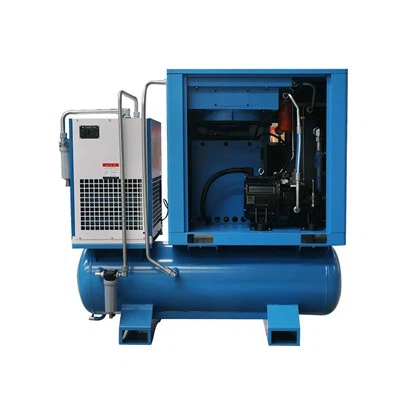
Hey there! As a supplier of Fine Filter for Screw Compressor, I've dealt with a ton of issues related to these filters over the years. One of the most common problems that customers face is excessive pressure drop. In this blog, I'll share some tips on how to determine if the fine filter for your screw compressor is causing this issue.
Understanding Pressure Drop
First off, let's talk about what pressure drop is. Pressure drop is the difference in pressure between the inlet and the outlet of the filter. A certain amount of pressure drop is normal as the air passes through the filter media. However, when the pressure drop becomes excessive, it can lead to a bunch of problems. For instance, it can reduce the efficiency of the compressor, increase energy consumption, and even cause damage to the compressor itself.
Signs of Excessive Pressure Drop
So, how can you tell if your fine filter is causing excessive pressure drop? Here are some signs to look out for:
1. Reduced Airflow
If you notice that the airflow from your compressor has decreased, it could be a sign of excessive pressure drop. The filter might be clogged, which restricts the flow of air through it. You can check this by feeling the air coming out of the compressor or using a flow meter if you have one.
2. Higher Energy Consumption
An increase in energy consumption is another tell - tale sign. When the pressure drop is high, the compressor has to work harder to push the air through the filter. This means it will draw more power, and you'll see a spike in your electricity bill. Keep an eye on your energy usage and compare it to previous months.
3. Compressor Overheating
Excessive pressure drop can cause the compressor to overheat. The extra work put on the compressor due to the restricted airflow generates more heat. If you notice that your compressor is running hotter than usual, it could be due to a clogged filter. You can use an infrared thermometer to check the temperature of the compressor.
4. Abnormal Noise
A noisy compressor can also indicate a problem with the filter. When the air has a hard time passing through the filter, it can create a whistling or hissing sound. If you hear any unusual noises coming from your compressor, it's worth checking the filter.
Checking the Filter
Once you've noticed these signs, it's time to take a closer look at the filter.
Visual Inspection
Start with a visual inspection. Remove the filter and check it for any visible signs of dirt, debris, or damage. If the filter looks dirty or clogged, it's likely contributing to the excessive pressure drop. You can also check the filter media for tears or holes. A damaged filter won't work as effectively and can cause pressure issues.
Pressure Drop Monitoring
Most modern screw compressors come with pressure sensors that can measure the pressure drop across the filter. You can use these sensors to get an accurate reading of the pressure drop. Compare the reading to the manufacturer's specifications. If the pressure drop is higher than the recommended level, it's a clear indication that the filter is causing problems.


Differential Pressure Gauge
If your compressor doesn't have built - in pressure sensors, you can use a differential pressure gauge. This gauge measures the difference in pressure between the inlet and the outlet of the filter. Attach the gauge to the appropriate ports on the filter housing and take a reading. Again, compare this reading to the recommended values.
Solutions
If you've determined that the fine filter is causing excessive pressure drop, here are some solutions:
Cleaning the Filter
In some cases, you can clean the filter to remove the dirt and debris. However, not all filters are designed to be cleaned. Check the manufacturer's instructions before attempting to clean the filter. If it's a washable filter, you can use a mild detergent and water to clean it. Make sure to dry it thoroughly before reinstalling it.
Replacing the Filter
If the filter is too dirty or damaged to be cleaned, it's time to replace it. Using a high - quality filter is crucial. We offer a range of filters, such as the Screw Air Compressor External Precision Filter and the High - efficiency Water And Oil Removal Precision Filter, which are designed to provide optimal performance and reduce the risk of pressure drop. You can find our Fine Filter for Screw Compressor on our website.
Conclusion
Determining if the fine filter for your screw compressor is causing excessive pressure drop is essential for maintaining the efficiency and longevity of your compressor. By keeping an eye out for the signs, regularly checking the filter, and taking appropriate action, you can avoid costly repairs and downtime.
If you're experiencing issues with pressure drop or need help choosing the right filter for your screw compressor, don't hesitate to reach out. We're here to assist you with all your filter needs and can provide you with expert advice. Contact us for more information and let's start a procurement discussion to find the best solution for your business.
References
- Compressor Handbook: A Guide to Compressor Operation and Maintenance
- Manufacturer's Manuals for Screw Compressors and Fine Filters