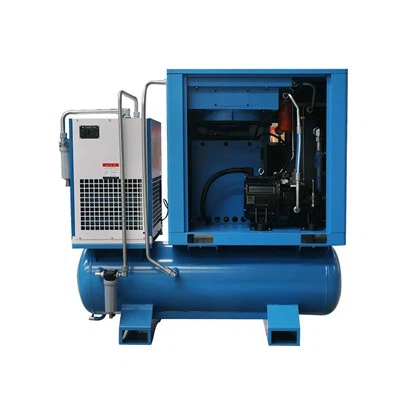
Hey there! As a supplier of Compressed Air Modular Adsorption Dryers, I've seen my fair share of issues that customers face. One of the most common problems is water accumulation in these dryers. In this blog, I'll share some tips on how to deal with this pesky issue.
First off, let's understand why water accumulation happens in Compressed Air Modular Adsorption Dryers. Compressed air usually contains water vapor. When this air enters the dryer, the adsorption process is supposed to remove the moisture. But sometimes, things don't go as planned.
One reason could be overloading. If the dryer is handling more compressed air than it's designed to, it won't be able to adsorb all the water vapor effectively. This can lead to water building up inside the dryer. Another culprit could be a malfunctioning adsorption bed. Over time, the adsorbent material can lose its effectiveness, and it won't trap the water vapor as well as it should.
So, how do we deal with this water accumulation?
Regular Maintenance Checks
The first step is to perform regular maintenance checks. This is like giving your car a tune - up. You need to inspect the dryer at regular intervals. Check the adsorption beds to see if the adsorbent material is in good condition. If it looks worn out or contaminated, it's time to replace it.
Also, look at the valves and pipes. Sometimes, a leaky valve can allow water to bypass the adsorption process and accumulate in the dryer. Make sure all the connections are tight and there are no signs of corrosion or damage.
Monitor the Airflow and Pressure
Keep an eye on the airflow and pressure in the dryer. If the airflow is too high, it can prevent the adsorbent from properly capturing the water vapor. On the other hand, if the pressure is too low, the dryer may not function efficiently.
Most modern Modular Adsorption Dryers come with sensors that can help you monitor these parameters. Use them to your advantage. If you notice any abnormal readings, take action immediately. You might need to adjust the settings or check for blockages in the system.
Improve the Inlet Air Quality
The quality of the inlet air plays a huge role in the performance of the dryer. If the air has a high level of contaminants like oil or dust, it can quickly degrade the adsorbent material. Install pre - filters to remove these contaminants before the air enters the dryer.
There are different types of pre - filters available, such as particulate filters and coalescing filters. Particulate filters can remove solid particles, while coalescing filters are great for removing oil aerosols. By improving the inlet air quality, you can reduce the load on the dryer and prevent water accumulation.
Optimize the Regeneration Process
The regeneration process is crucial for the proper functioning of the dryer. During regeneration, the adsorbent material is dried out so that it can start adsorbing water vapor again. If the regeneration process is not optimized, the adsorbent may not be fully dried, and water can accumulate.
Make sure the regeneration time and temperature are set correctly. Different types of adsorbent materials have different optimal regeneration conditions. Consult the manufacturer's guidelines to ensure you're getting it right.
Train Your Staff
Your staff should be well - trained on how to operate and maintain the dryer. They need to know how to recognize the signs of water accumulation and what steps to take to fix it. Provide regular training sessions and make sure they understand the importance of following the maintenance schedule.
Troubleshooting Common Issues
Let's talk about some common symptoms of water accumulation and how to troubleshoot them.
High Outlet Dew Point
If you notice that the outlet dew point is higher than normal, it could be a sign of water accumulation. First, check the adsorption beds as mentioned earlier. If they're okay, look at the regeneration process. It might be that the adsorbent is not being regenerated properly. You can try increasing the regeneration time or temperature slightly, but be careful not to overdo it.
Water in the Drainage System
If you see water in the drainage system, it could mean that there's too much water in the dryer. Check for blockages in the drainage pipes. Sometimes, debris can clog the pipes and prevent the water from draining out. Clean the pipes and make sure the drainage system is working properly.
Excessive Noise or Vibration
Excessive noise or vibration can also indicate a problem with water accumulation. This could be due to water sloshing around inside the dryer or a misaligned component. Stop the dryer immediately and inspect it for any visible signs of damage or water accumulation. Fix any issues you find before restarting the dryer.
The Benefits of Solving Water Accumulation
Solving the water accumulation problem in your Compressed Air Modular Adsorption Dryer has several benefits. First of all, it improves the efficiency of the dryer. When the dryer is working properly, it can provide dry air at a consistent quality, which is essential for many industrial processes.

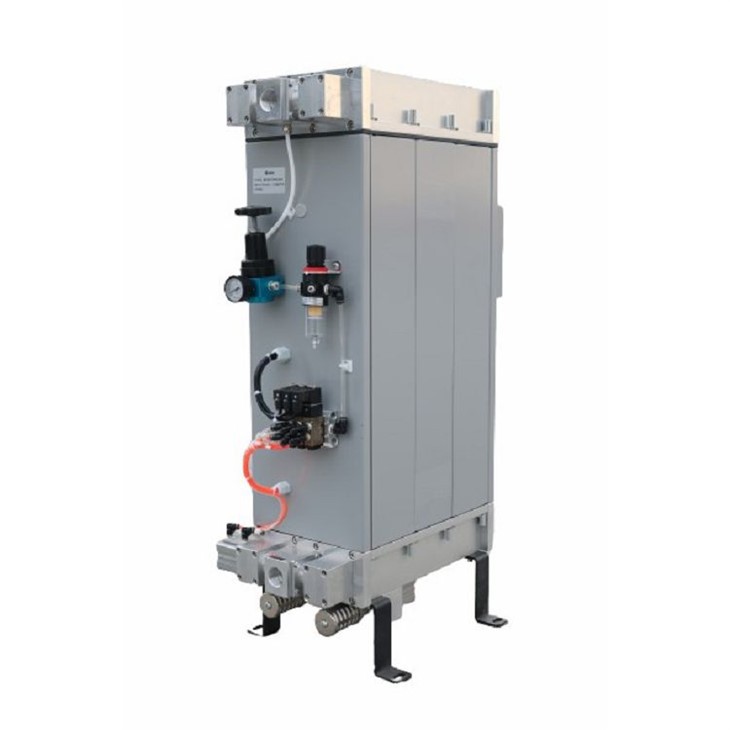
It also extends the lifespan of the dryer. By preventing water accumulation, you reduce the wear and tear on the components, especially the adsorbent material. This means you won't have to replace parts as often, saving you money in the long run.
Finally, it ensures the reliability of your compressed air system. A dryer that's free from water accumulation is less likely to break down unexpectedly, which can cause costly downtime in your operations.
Wrapping Up and Reaching Out
So, there you have it - a comprehensive guide on how to deal with water accumulation in Compressed Air Modular Adsorption Dryers. By following these tips, you can keep your dryer running smoothly and avoid the headaches that come with water - related issues.
If you're facing problems with water accumulation in your dryer or if you're in the market for a new Compressed Air Modular Adsorption Dryer, don't hesitate to reach out. We're here to help you find the best solution for your needs. Whether it's providing technical support or helping you choose the right dryer, we've got you covered.
References
- Compressed Air Handbook, various editions
- Manufacturer's manuals for Modular Adsorption Dryers