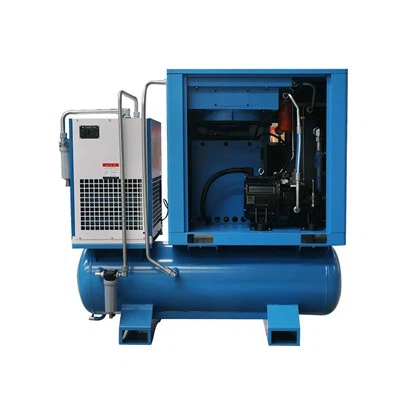
Hey there! As a supplier of Skid-mounted Screw Air Compressors, I'm often asked about how to take care of these machines properly. One crucial maintenance task is cleaning the air intake filter. In this blog, I'll walk you through the steps on how to clean the air intake filter of a skid-mounted screw air compressor.
Why Cleaning the Air Intake Filter Matters
Before we jump into the cleaning process, let's talk about why it's so important to keep the air intake filter clean. The air intake filter plays a vital role in the performance of your skid-mounted screw air compressor. Its main job is to prevent dust, dirt, and other contaminants from entering the compressor. If the filter gets clogged with debris, it restricts the airflow into the compressor. This not only reduces the compressor's efficiency but can also lead to overheating and increased wear and tear on the internal components. Over time, a dirty filter can even cause the compressor to break down, resulting in costly repairs and downtime. So, regular cleaning of the air intake filter is essential to ensure the smooth operation and longevity of your compressor.
Tools and Materials You'll Need
To clean the air intake filter of your skid-mounted screw air compressor, you'll need a few simple tools and materials:
- Compressed air source: This can be a small portable air compressor or an air gun connected to a larger compressor.
- Soft-bristled brush: A paintbrush or a specialized filter cleaning brush works well.
- Clean, dry cloth: You'll use this to wipe down the filter housing and other components.
- Mild detergent: If the filter is extremely dirty and needs a more thorough cleaning, you can use a mild detergent mixed with water.
Step-by-Step Cleaning Process
Step 1: Turn Off the Compressor
Safety first! Before you start working on the air intake filter, make sure the skid-mounted screw air compressor is turned off and unplugged. This will prevent any accidental start - up and protect you from potential injuries.
Step 2: Locate the Air Intake Filter
The air intake filter is usually located on the side or the top of the compressor housing. It's often covered by a protective grille or a housing that you'll need to remove. Check your compressor's user manual if you're having trouble finding it.
Step 3: Remove the Filter
Once you've located the filter, carefully remove the housing or grille that's covering it. Then, take out the air intake filter. Be gentle to avoid damaging the filter element.


Step 4: Inspect the Filter
Before you start cleaning, take a close look at the filter. Check for any signs of damage, such as tears, holes, or excessive wear. If the filter is damaged, it's best to replace it instead of trying to clean it. This will ensure that your compressor gets the proper filtration it needs.
Step 5: Clean the Filter
- Using compressed air: Hold the filter by its edges and use the compressed air source to blow through the filter from the clean side to the dirty side. This will help dislodge most of the dust and debris that's trapped in the filter. Move the air nozzle around the filter to clean all areas evenly. Keep the air pressure at a moderate level to avoid damaging the filter.
- Using a brush: If there are still some stubborn dirt particles on the filter, you can use a soft - bristled brush to gently scrub them off. Be careful not to press too hard, as this can also damage the filter.
- Washing with detergent (if necessary): If the filter is extremely dirty, you can soak it in a solution of mild detergent and water for about 15 - 20 minutes. Then, rinse it thoroughly with clean water until all the soap is removed. Let the filter air dry completely before reinstalling it. Make sure it's completely dry, as any moisture left in the filter can cause mold growth and other problems.
Step 6: Clean the Filter Housing
While the filter is out, use a clean, dry cloth to wipe down the inside of the filter housing. Remove any dust or debris that may have accumulated there. This will help maintain a clean environment for the new or cleaned filter.
Step 7: Reinstall the Filter
Once the filter is clean and dry, carefully place it back into the filter housing. Make sure it's properly seated and secured. Then, reattach the housing or grille that covers the filter.
How Often Should You Clean the Air Intake Filter?
The frequency of cleaning the air intake filter depends on several factors, such as the operating environment, the level of dust and debris in the air, and the usage of the compressor. In general, it's a good idea to check the filter every month and clean it as needed. If the compressor is operating in a particularly dirty environment, you may need to clean the filter more frequently, perhaps every two weeks or even more often.
Additional Tips
- Keep extra filters on hand: It's always a good idea to have a spare air intake filter available. This way, if the filter gets damaged or needs to be replaced immediately, you can do so without having to wait for a new one to arrive.
- Follow the manufacturer's recommendations: Different models of skid - mounted screw air compressors may have specific requirements for filter cleaning and replacement. Make sure you read and follow the instructions in your compressor's user manual.
Our Product Recommendations
As a supplier of Skid-mounted Screw Air Compressors, we offer a range of high - quality products. If you're interested in upgrading your compressor or looking for a new one, check out our Rotary Variable Frequency Energy - saving Screw Air Compressor. It's designed to save energy and provide reliable performance.
We also have the 22kw High Pressure Screw Air Compressor With Air Tank, which is perfect for applications that require high - pressure air. And for those in the laser cutting industry, our Energy - saving laser cutting screw air compressor is a great choice.
Get in Touch
If you have any questions about cleaning the air intake filter of your skid - mounted screw air compressor or if you're interested in purchasing one of our products, don't hesitate to get in touch. We're here to help you with all your air compressor needs.
References
- Compressor manufacturer's user manuals.
- Industry best practices for air compressor maintenance.