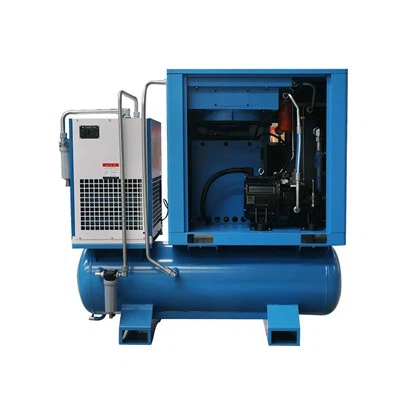
As a seasoned supplier of screw air compressors, I've witnessed firsthand the importance of proper maintenance and adjustment to ensure these machines operate at peak efficiency. One critical aspect of this maintenance is adjusting the unloading valve. In this blog post, I'll guide you through the process of adjusting the unloading valve in a screw air compressor, sharing insights and best practices based on my years of experience in the industry.
Understanding the Unloading Valve
Before we dive into the adjustment process, let's take a moment to understand the role of the unloading valve in a screw air compressor. The unloading valve is a crucial component that regulates the pressure within the compressor system. When the compressor reaches its set pressure, the unloading valve opens, allowing the compressor to unload and reduce the load on the motor. This not only helps to save energy but also extends the lifespan of the compressor.
Tools and Materials Needed
Before you begin adjusting the unloading valve, you'll need to gather the following tools and materials:
- Pressure gauge: To measure the pressure within the compressor system.
- Screwdriver: To adjust the set screw on the unloading valve.
- Safety glasses: To protect your eyes from any debris or particles.
- Gloves: To protect your hands from any sharp edges or hot surfaces.
Step-by-Step Guide to Adjusting the Unloading Valve
Now that you have all the necessary tools and materials, let's walk through the step-by-step process of adjusting the unloading valve in a screw air compressor:
Step 1: Prepare the Compressor
Before you start working on the compressor, make sure it is turned off and disconnected from the power source. This will help to prevent any electrical hazards or injuries.
Step 2: Locate the Unloading Valve
The unloading valve is typically located on the discharge side of the compressor. It is usually a small, cylindrical valve with a set screw on top. Refer to the compressor's user manual or schematic diagram to locate the exact position of the unloading valve.


Step 3: Check the Pressure
Using a pressure gauge, check the pressure within the compressor system. The pressure should be within the recommended range specified by the manufacturer. If the pressure is too high or too low, you may need to adjust the unloading valve.
Step 4: Adjust the Set Screw
Using a screwdriver, turn the set screw on the unloading valve clockwise to increase the pressure or counterclockwise to decrease the pressure. Make small adjustments and check the pressure after each adjustment until you reach the desired pressure.
Step 5: Test the Compressor
Once you have adjusted the unloading valve, turn on the compressor and let it run for a few minutes. Check the pressure again to make sure it is within the recommended range. If the pressure is still not correct, you may need to make further adjustments.
Step 6: Secure the Set Screw
Once you have achieved the desired pressure, tighten the set screw on the unloading valve to secure the adjustment. Make sure the set screw is tightened firmly to prevent it from loosening over time.
Tips and Best Practices
- Follow the Manufacturer's Instructions: Always refer to the compressor's user manual or schematic diagram for specific instructions on adjusting the unloading valve. Different compressors may have different adjustment procedures, so it's important to follow the manufacturer's recommendations.
- Make Small Adjustments: When adjusting the unloading valve, make small adjustments and check the pressure after each adjustment. This will help you to avoid over-adjusting the valve and causing damage to the compressor.
- Use a Pressure Gauge: A pressure gauge is an essential tool for adjusting the unloading valve. It allows you to accurately measure the pressure within the compressor system and make precise adjustments.
- Inspect the Valve Regularly: Regularly inspect the unloading valve for any signs of wear or damage. If you notice any issues, such as leaks or malfunctioning, replace the valve immediately to prevent further damage to the compressor.
Common Problems and Solutions
- High Pressure: If the pressure within the compressor system is too high, it may be due to a faulty unloading valve or a clogged air filter. Check the unloading valve for any signs of damage or malfunction and replace it if necessary. Also, check the air filter and clean or replace it if it is clogged.
- Low Pressure: If the pressure within the compressor system is too low, it may be due to a loose or damaged unloading valve or a leak in the system. Check the unloading valve for any signs of damage or malfunction and tighten or replace it if necessary. Also, check the system for any leaks and repair them if found.
- Erratic Pressure: If the pressure within the compressor system is erratic, it may be due to a faulty pressure switch or a malfunctioning unloading valve. Check the pressure switch for any signs of damage or malfunction and replace it if necessary. Also, check the unloading valve for any signs of damage or malfunction and replace it if necessary.
Conclusion
Adjusting the unloading valve in a screw air compressor is a critical maintenance task that can help to ensure the compressor operates at peak efficiency. By following the steps outlined in this blog post and using the tips and best practices provided, you can easily adjust the unloading valve and keep your compressor running smoothly.
If you're in the market for a high-quality screw air compressor, we offer a wide range of options to meet your needs. Check out our BOX-TYPE Laser Cutting Air Compressor, Box-type Screw Air Compressor, and Energy-saving laser cutting screw air compressor for more information.
If you have any questions or need further assistance with adjusting the unloading valve or any other aspect of screw air compressor maintenance, please don't hesitate to contact us. We're here to help you get the most out of your compressor and ensure it operates at peak efficiency for years to come.
References
- Compressor Manufacturer's User Manual
- Industry Standards and Best Practices for Screw Air Compressor Maintenance