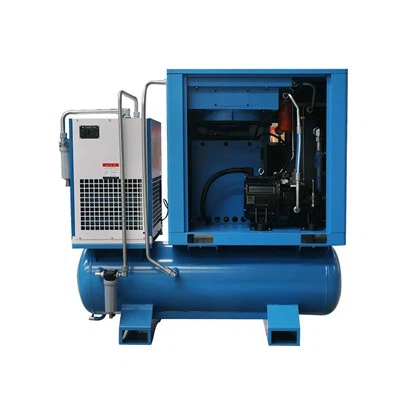
Hey there! I'm an air dryer supplier, and today I'm gonna talk about how an air dryer prevents contamination in compressed air for painting.
Why Clean Compressed Air Matters in Painting
Let's start by understanding why having clean compressed air is super important when it comes to painting. Whether you're painting a small DIY project at home or working on a large - scale industrial painting job, the quality of the paint finish depends a great deal on the quality of the compressed air used.
Contaminated compressed air can lead to a bunch of problems. Water, oil, and solid particles in the air can cause issues like paint bubbling, orange - peel texture, and uneven color distribution. In industrial settings, these flaws can mean re - working the painted surface, which is a huge waste of time and money. And in the case of high - end or precision painting jobs, such as automotive or aerospace painting, even the slightest imperfection can be unacceptable.
How Compressed Air Gets Contaminated
Compressed air doesn't come clean right out of the compressor. When air is compressed, the moisture and contaminants that were present in the ambient air get concentrated. The compressor itself can also introduce oil and wear particles into the air stream.
Moisture is a common culprit. Ambient air always contains some amount of water vapor. When the air is compressed, the temperature rises, and as the compressed air cools down in the pipes, the water vapor condenses into liquid water. This water can mix with the paint, causing it to run or form blisters.
Oil can come from the compressor's lubrication system. If the compressor uses oil for lubrication, some of that oil can get into the compressed air. Solid particles, like dust and rust from the pipes, can also find their way into the air stream and end up in the paint.
Role of an Air Dryer in Preventing Contamination
Removing Moisture
One of the main functions of an air dryer is to remove moisture from the compressed air. There are different types of air dryers, but two common ones are refrigerated air dryers.
Refrigerated air dryers work on the principle of cooling the compressed air. The compressed air enters the dryer and is cooled to a low temperature, usually around 3 - 10°C (37 - 50°F). At this low temperature, the water vapor in the air condenses into liquid water. The liquid water is then separated from the air using a separator and drained out of the dryer.
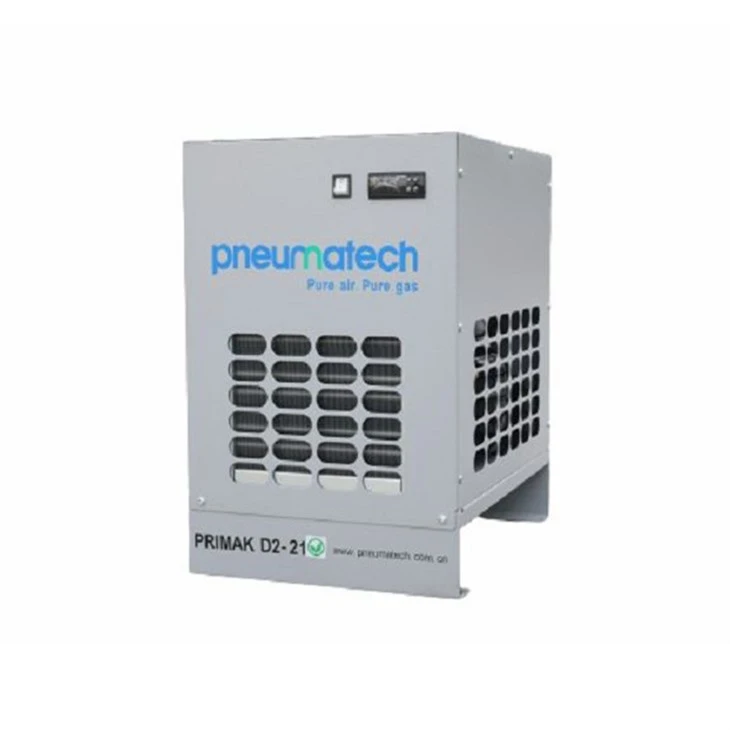
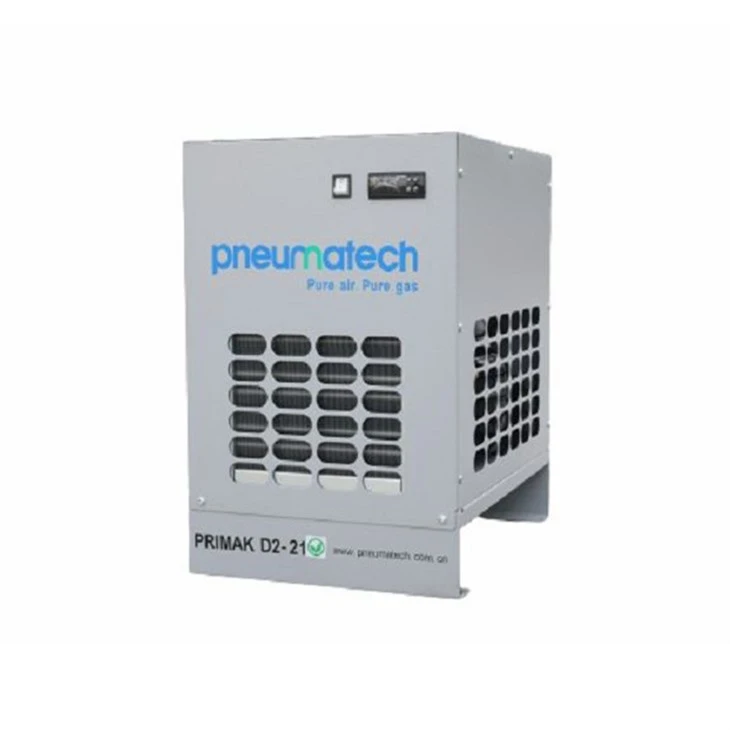
For example, our Refrigerated Compressed Air Dryer is designed to efficiently remove moisture from the compressed air. It has a high - performance refrigeration system that can handle large volumes of compressed air, ensuring that the air going to the paint gun is dry.
Another type is the Refrigeration Compressed Air Dryer. It uses a similar refrigeration process but may have different features and capacities to suit various applications. By removing moisture, these dryers prevent water - related paint defects, such as blistering and running.
Filtering Oil and Solid Particles
In addition to removing moisture, many air dryers are equipped with filters to remove oil and solid particles. These filters are usually installed downstream of the dryer.
The filters work by trapping the oil droplets and solid particles as the compressed air passes through them. There are different types of filters, such as coalescing filters for removing oil and particulate filters for removing solid particles.
For instance, our high - quality air dryers often come with multi - stage filtration systems. The first stage may be a pre - filter that removes large solid particles, while the second stage is a coalescing filter that captures oil droplets. This ensures that the compressed air is as clean as possible before it reaches the paint gun. You can check out our High Quality Air Dryer for Compressor which has excellent filtration capabilities.
Benefits of Using Our Air Dryers in Painting Applications
Consistent Paint Quality
By providing clean and dry compressed air, our air dryers ensure consistent paint quality. You won't have to worry about paint defects caused by moisture, oil, or solid particles. This means a smooth, even paint finish every time, whether you're painting a car, a piece of furniture, or an industrial component.
Cost Savings
Using an air dryer can save you a lot of money in the long run. By preventing paint defects, you reduce the need for re - work. You also extend the life of your paint equipment, as clean compressed air reduces wear and tear on the paint gun and other components.
Increased Productivity
With fewer paint defects and less re - work, your painting process becomes more efficient. You can complete more jobs in less time, which means increased productivity and higher profits.
How to Choose the Right Air Dryer for Your Painting Needs
Air Flow Rate
The first thing you need to consider is the air flow rate of your compressor. The air dryer should be able to handle the same or a higher air flow rate. If the air dryer is too small for your compressor, it won't be able to remove moisture and contaminants effectively.
Dew Point
The dew point is the temperature at which the water vapor in the air starts to condense. For painting applications, you usually need a low dew point. A lower dew point means drier air. Our air dryers can achieve different dew points depending on the model, so you can choose the one that suits your specific requirements.
Type of Paint
Different types of paint may have different requirements for compressed air quality. For example, some high - end paints may require very dry and clean air. Make sure to choose an air dryer that can meet the specific needs of the paint you're using.
Conclusion
In conclusion, an air dryer plays a crucial role in preventing contamination in compressed air for painting. By removing moisture, oil, and solid particles, it ensures a high - quality paint finish, cost savings, and increased productivity.
If you're in the market for an air dryer for your painting needs, we're here to help. We offer a wide range of high - quality air dryers that can meet the diverse requirements of different painting applications. Contact us to discuss your specific needs and let's find the perfect air dryer for you.
References
- Compressed Air and Gas Institute (CAGI) standards on air dryer performance.
- Paint manufacturers' guidelines on compressed air quality for painting.