

What is the difference between a heat - regenerated and a blower - regenerated adsorption dryer?
Dec 04, 2025
Hey there! As a supplier of adsorption dryers, I often get asked about the differences between heat - regenerated and blower - regenerated adsorption dryers. So, let's dive right in and break it down.
How Adsorption Dryers Work
First off, let's quickly cover the basics of adsorption dryers. These dryers are super important in industrial settings because they remove moisture from compressed air. Moisture in compressed air can cause all sorts of problems, like corrosion in pipes, damage to pneumatic tools, and poor performance in manufacturing processes. Adsorption dryers use adsorbent materials, usually activated alumina or molecular sieves, to trap water vapor from the compressed air.
Heat - Regenerated Adsorption Dryers
Heat - regenerated adsorption dryers are pretty well - known in the industry. They work in a two - tower system. One tower is used for the adsorption process, where it captures the moisture from the compressed air. Meanwhile, the other tower goes through a regeneration process.
The Regeneration Process
In heat - regenerated dryers, heat is the key player in the regeneration process. A heater is used to heat up the desiccant in the tower that's being regenerated. When the desiccant is heated, the water molecules that were trapped during the adsorption process are released. This allows the desiccant to be ready for another round of adsorption.
There are two main types of heat - regenerated adsorption dryers: full - heat regenerated and semi - heat regenerated.
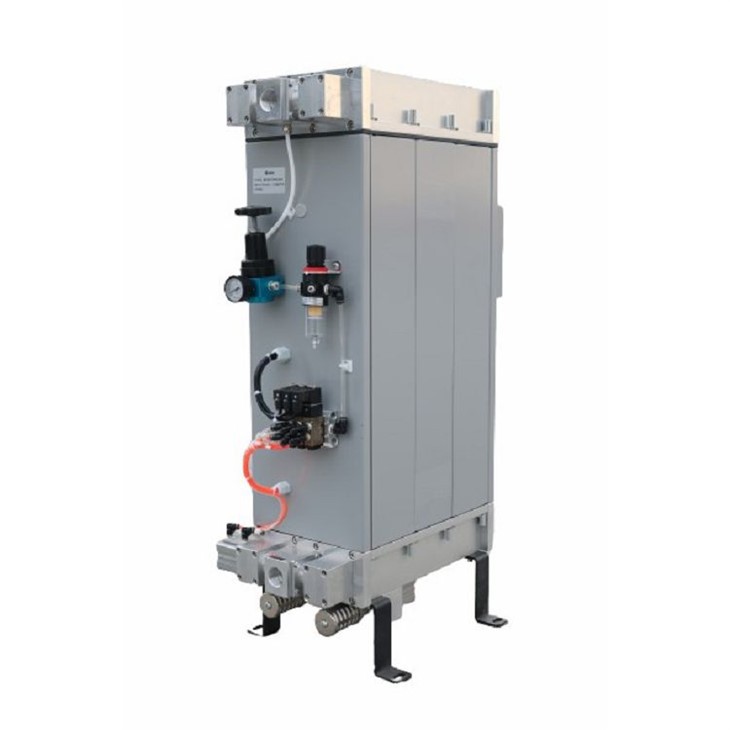

- Full - Heat Regenerated: In full - heat regenerated dryers, all of the regeneration air is heated. This means that a significant amount of energy is used to heat the air. However, it can achieve very low dew points, which is great for applications that require extremely dry air, like in the electronics or pharmaceutical industries.
- Semi - Heat Regenerated: Semi - heat regenerated dryers use a combination of heated and unheated air for regeneration. They use less energy compared to full - heat regenerated dryers but still can provide a good level of drying.
Advantages and Disadvantages
The big advantage of heat - regenerated adsorption dryers is their ability to achieve very low dew points. This makes them suitable for high - end applications where moisture can cause serious problems. However, they do have some drawbacks. They consume a lot of energy, especially the full - heat regenerated ones. Also, the heater can be a maintenance point, as it needs to be checked regularly to ensure proper operation.
Blower - Regenerated Adsorption Dryers
Now, let's talk about blower - regenerated adsorption dryers. Like heat - regenerated dryers, they also have a two - tower system. One tower adsorbs moisture while the other is regenerated.
The Regeneration Process
In blower - regenerated dryers, a blower is used to draw in ambient air. This ambient air is then used to regenerate the desiccant in the tower. The blower circulates the air through the desiccant bed, and as the air passes through, it picks up the water molecules from the desiccant.
The key difference here is that there's no external heat source like in heat - regenerated dryers. The heat for regeneration comes from the compression heat of the compressed air system and the heat generated by the blower itself.
Advantages and Disadvantages
One of the biggest advantages of blower - regenerated adsorption dryers is their energy efficiency. Since they don't rely on a large heater, they use less energy compared to heat - regenerated dryers. They're also relatively simple in design, which means less maintenance.
However, they have some limitations. They usually can't achieve as low dew points as heat - regenerated dryers. So, they might not be suitable for applications that require extremely dry air.
Comparing the Two
Let's look at a side - by - side comparison of heat - regenerated and blower - regenerated adsorption dryers:
- Dew Point: Heat - regenerated dryers can achieve lower dew points, often down to - 40°C or even lower. Blower - regenerated dryers typically have a dew point range of - 20°C to - 40°C, which is still good for many applications but not as low as heat - regenerated ones.
- Energy Consumption: Heat - regenerated dryers, especially full - heat regenerated ones, consume more energy due to the heater. Blower - regenerated dryers are more energy - efficient as they rely on the blower and existing heat sources.
- Maintenance: Heat - regenerated dryers have a heater that needs regular maintenance. Blower - regenerated dryers have a simpler design with the blower being the main component, which generally requires less maintenance.
- Cost: Heat - regenerated dryers can be more expensive to operate due to higher energy costs. However, the initial purchase price might not be significantly different between the two types.
Which One Should You Choose?
The choice between a heat - regenerated and a blower - regenerated adsorption dryer depends on your specific needs.
- If you need extremely dry air for your process, like in the semiconductor or food packaging industries, a heat - regenerated adsorption dryer might be the way to go. You can check out our Modular Adsorption Dryer for options that can meet high - end drying requirements.
- If you're looking for an energy - efficient solution and your application can tolerate a slightly higher dew point, a blower - regenerated adsorption dryer is a great choice. Our Compressed Air Modular Adsorption Dryers offer reliable blower - regenerated options.
Conclusion
In conclusion, both heat - regenerated and blower - regenerated adsorption dryers have their own unique features and benefits. As a supplier, we understand that every customer's needs are different. That's why we're here to help you make the right choice for your business.
If you're interested in learning more about our adsorption dryers or have any questions about which type is best for your application, don't hesitate to reach out. We're always happy to have a chat and discuss your specific requirements. Whether it's for a small - scale operation or a large industrial plant, we've got the expertise and the products to meet your needs. Let's work together to find the perfect adsorption dryer solution for you!
References
- Industrial Compressed Air Handbook
- Adsorption Drying Technology Manuals