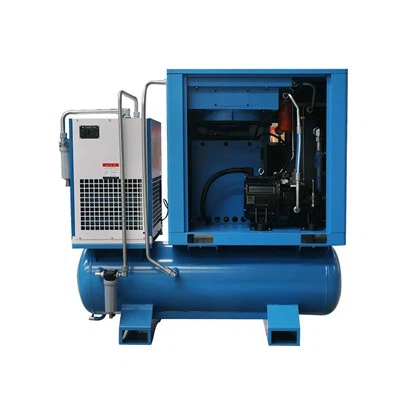
When it comes to the world of BOX - TYPE Laser Cutting Air Compressors, understanding the differences between single - stage and two - stage models is crucial for both manufacturers and end - users. As a supplier of BOX - TYPE Laser Cutting Air Compressors, I have witnessed firsthand how these two types can significantly impact the efficiency and quality of laser cutting operations. In this blog, I will delve into the key differences between single - stage and two - stage BOX - TYPE Laser Cutting Air Compressors.
Compression Process
The most fundamental difference between single - stage and two - stage air compressors lies in their compression processes. A single - stage compressor compresses air in one step. The air is drawn into the compressor chamber and compressed to the desired pressure in a single stroke of the piston or rotation of the screw. This simplicity makes single - stage compressors relatively straightforward in design and often more affordable in terms of initial purchase.
On the other hand, a two - stage compressor compresses air in two distinct steps. First, the air is compressed to an intermediate pressure in the first stage. Then, this pre - compressed air is sent to a second stage, where it is further compressed to the final output pressure. This multi - step approach allows for a more efficient compression process, resulting in higher output pressures and better overall performance.
For laser cutting applications, the compression process can have a direct impact on the quality of the cut. A two - stage compressor can provide more stable and consistent air pressure, which is essential for precise laser cutting. In contrast, single - stage compressors may experience more fluctuations in pressure, especially during high - demand operations.


Pressure Output
Pressure output is another critical factor that sets single - stage and two - stage BOX - TYPE Laser Cutting Air Compressors apart. Single - stage compressors typically have a maximum pressure output in the range of 100 to 125 psi (pounds per square inch). This level of pressure is suitable for many light - to - medium - duty laser cutting applications, such as cutting thin sheets of metal or non - metallic materials.
Two - stage compressors, however, can achieve much higher pressures, often reaching 175 psi or more. The ability to generate higher pressures makes two - stage compressors ideal for heavy - duty laser cutting tasks, such as cutting thick metal plates. The higher pressure allows the laser to cut through the material more cleanly and efficiently, reducing the risk of incomplete cuts or rough edges.
Energy Efficiency
Energy efficiency is a major concern for any manufacturing operation, and laser cutting workshops are no exception. In general, two - stage compressors are more energy - efficient than single - stage compressors. The multi - stage compression process in two - stage models reduces the amount of work required in each stage, resulting in less heat generation and lower energy consumption.
Single - stage compressors, in order to achieve higher pressures, may need to run at a higher speed or for longer periods of time. This increased runtime can lead to higher energy costs over the life of the compressor. For businesses looking to reduce their energy bills and minimize their environmental impact, a two - stage BOX - TYPE Laser Cutting Air Compressor may be the better choice.
Cost Considerations
Cost is always a significant factor when choosing an air compressor for laser cutting. Single - stage compressors are generally less expensive to purchase than two - stage compressors. Their simpler design and fewer components contribute to a lower upfront cost, making them an attractive option for small - scale laser cutting operations or businesses on a tight budget.
However, it's important to consider the long - term costs as well. While single - stage compressors may have a lower initial price, their higher energy consumption and potentially shorter lifespan due to more wear and tear can result in higher total costs of ownership over time. Two - stage compressors, although more expensive to buy initially, can offer significant savings in energy costs and maintenance in the long run.
Maintenance Requirements
The maintenance requirements of single - stage and two - stage BOX - TYPE Laser Cutting Air Compressors also differ. Single - stage compressors are generally easier to maintain because of their simpler design. They have fewer parts that can wear out or malfunction, which means less time and money spent on maintenance.
Two - stage compressors, with their more complex compression system, require more regular maintenance. The additional components in a two - stage compressor, such as intercoolers and multiple compression chambers, need to be inspected and serviced more frequently to ensure optimal performance. However, proper maintenance of a two - stage compressor can extend its lifespan and prevent costly breakdowns.
Applications in Laser Cutting
The differences in performance and features between single - stage and two - stage compressors make them suitable for different types of laser cutting applications. Single - stage compressors are well - suited for small - to - medium - sized laser cutting machines that operate at relatively low pressures. They are commonly used in industries such as jewelry making, signage production, and small - scale metal fabrication.
Two - stage compressors, with their higher pressure output and better energy efficiency, are the preferred choice for large - scale laser cutting operations, such as those in the automotive, aerospace, and heavy machinery industries. These industries often require the cutting of thick and high - strength materials, which demands a more powerful and reliable air compressor.
As a supplier of BOX - TYPE Laser Cutting Air Compressors, I understand that each customer's needs are unique. Whether you are looking for a single - stage compressor for a small - scale project or a two - stage compressor for heavy - duty applications, I can provide the right solution.
If you are interested in learning more about our range of air compressors, including Skid-mounted Screw Air Compressor, Professional Laser Cutting Screw Air Compressor, and Used Screw Air Compressor For Laser Cutting, please do not hesitate to contact me. Our team of experts is here to assist you in making the best decision for your laser cutting needs. Let's work together to improve the efficiency and quality of your laser cutting operations.
References
- Compressed Air and Gas Handbook, Fifth Edition. Ingersoll Rand.
- Air Compressor Technology: Understanding the Basics. Kaeser Compressors.
- Optimizing Laser Cutting with Proper Air Compression. Various industry whitepapers on laser cutting technology.