

In the world of industrial compressed air systems, the modular adsorption dryer plays a crucial role in ensuring the quality of compressed air. As a leading supplier of Compressed Air Modular Adsorption Dryers, we often encounter a frequently asked question: Does a modular adsorption dryer need a pre - filter? In this blog post, we will delve into this topic, exploring the reasons behind the necessity of pre - filters and their impact on the performance and lifespan of modular adsorption dryers.
Understanding the Function of a Modular Adsorption Dryer
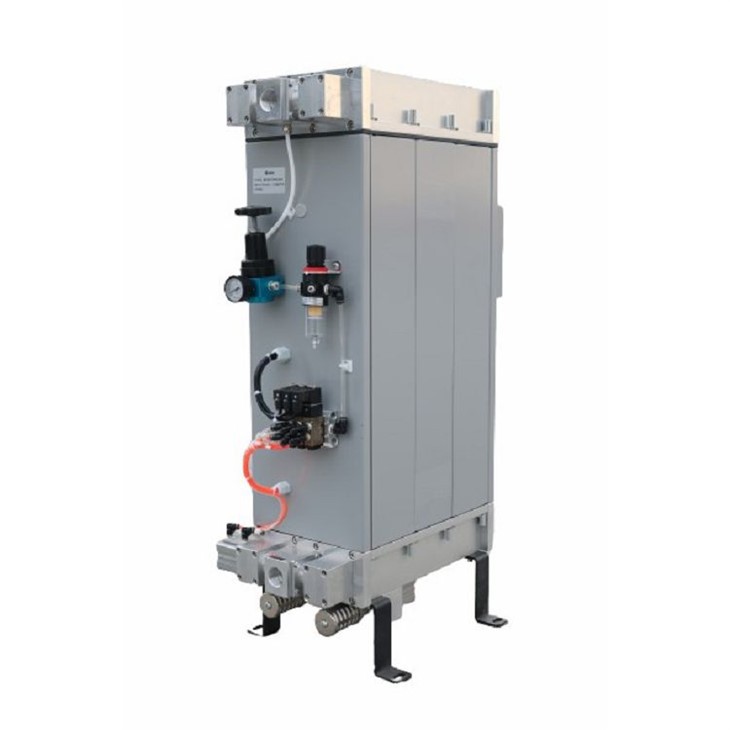
Before we discuss the pre - filter, it's essential to understand how a Modular Adsorption Dryer works. A modular adsorption dryer is designed to remove moisture from compressed air by passing it through an adsorbent material, such as activated alumina or molecular sieves. These adsorbents have a high affinity for water molecules, which are attracted and held onto the surface of the adsorbent, effectively drying the compressed air.
The process of adsorption is highly efficient, but it is also sensitive to contaminants in the compressed air. If the incoming compressed air contains oil, dust, or other particles, these contaminants can have a detrimental effect on the performance of the dryer.
The Role of a Pre - Filter
A pre - filter is a device installed upstream of the modular adsorption dryer. Its primary function is to remove solid particles, liquid water, and oil aerosols from the compressed air before it enters the dryer. By doing so, the pre - filter helps to protect the adsorbent material in the dryer from contamination and extends the lifespan of the dryer.
Protecting the Adsorbent Material
The adsorbent material in a modular adsorption dryer is the heart of the drying process. However, it can be easily fouled by contaminants in the compressed air. Oil, in particular, can coat the surface of the adsorbent, reducing its ability to adsorb water molecules. Dust and other solid particles can also clog the pores of the adsorbent, further impeding its performance.
A pre - filter removes these contaminants, ensuring that the adsorbent material remains clean and effective. This not only improves the drying efficiency of the dryer but also reduces the frequency of adsorbent replacement, saving both time and money in the long run.
Preventing Damage to the Dryer Components
In addition to protecting the adsorbent material, a pre - filter also helps to prevent damage to other components of the modular adsorption dryer. Solid particles can cause abrasion and wear on valves, seals, and other moving parts, leading to premature failure. Liquid water can cause corrosion and rust, which can also compromise the integrity of the dryer.
By removing these contaminants, the pre - filter helps to ensure the smooth operation of the dryer and reduces the risk of costly repairs and downtime.

Types of Pre - Filters
There are several types of pre - filters available, each designed to remove specific types of contaminants from the compressed air. The most common types of pre - filters include:
Coalescing Filters
Coalescing filters are designed to remove liquid water and oil aerosols from the compressed air. They work by using a coalescing media, which causes the small droplets of water and oil to combine into larger droplets. These larger droplets then fall out of the air stream and are collected in a sump at the bottom of the filter.
Particulate Filters
Particulate filters are used to remove solid particles from the compressed air. They typically use a filter media with a specific pore size to trap particles of a certain size or larger. The pore size of the filter media can be selected based on the specific requirements of the application.
Activated Carbon Filters
Activated carbon filters are used to remove oil vapors and odors from the compressed air. They work by adsorbing the oil vapors onto the surface of the activated carbon, which has a large surface area and a high affinity for organic compounds.
Determining the Need for a Pre - Filter
The need for a pre - filter depends on several factors, including the quality of the incoming compressed air, the type of application, and the specific requirements of the modular adsorption dryer.
Quality of the Incoming Compressed Air
If the incoming compressed air is relatively clean and free of contaminants, a pre - filter may not be necessary. However, in most industrial applications, the compressed air contains some level of oil, dust, and other particles, which can have a negative impact on the performance of the dryer.
Type of Application
The type of application also plays a role in determining the need for a pre - filter. In applications where the compressed air is used for critical processes, such as food and beverage production, pharmaceutical manufacturing, or electronics assembly, a pre - filter is typically required to ensure the quality of the compressed air.
Specific Requirements of the Modular Adsorption Dryer
Some modular adsorption dryers may have specific requirements for the quality of the incoming compressed air. For example, some dryers may require the use of a pre - filter to protect the adsorbent material from contamination. It's important to consult the manufacturer's specifications to determine if a pre - filter is necessary for your specific dryer.
Benefits of Using a Pre - Filter
Using a pre - filter with a modular adsorption dryer offers several benefits, including:
Improved Drying Efficiency
By removing contaminants from the compressed air, a pre - filter helps to ensure that the adsorbent material in the dryer remains clean and effective. This improves the drying efficiency of the dryer, resulting in lower dew points and higher quality compressed air.
Extended Lifespan of the Dryer
A pre - filter helps to protect the adsorbent material and other components of the dryer from damage, extending the lifespan of the dryer. This reduces the frequency of maintenance and replacement, saving both time and money in the long run.
Reduced Operating Costs
By improving the drying efficiency and extending the lifespan of the dryer, a pre - filter helps to reduce the operating costs of the compressed air system. This includes lower energy consumption, reduced maintenance costs, and fewer replacement parts.
Conclusion
In conclusion, a pre - filter is an essential component of a modular adsorption dryer system. It helps to protect the adsorbent material, prevent damage to the dryer components, and improve the overall performance and lifespan of the dryer. While the need for a pre - filter may vary depending on the specific application and the quality of the incoming compressed air, in most cases, using a pre - filter is a wise investment that can save time, money, and ensure the reliability of your compressed air system.
If you are considering purchasing a modular adsorption dryer or have any questions about pre - filters, please feel free to contact us. Our team of experts is always ready to provide you with the best solutions for your compressed air needs. We look forward to the opportunity to discuss your requirements and assist you in making the right decision for your business.
References
- Compressed Air and Gas Handbook, 4th Edition
- Pneumatic Systems Design and Application Guide
- Industrial Compressed Air Treatment Best Practices


